
Siya Kolisi · the Tiger’s Milk deal announcement (Aspire) · Rachel Kolisi
Siya Kolisi is no longer simply the face of brands. He is becoming an owner.
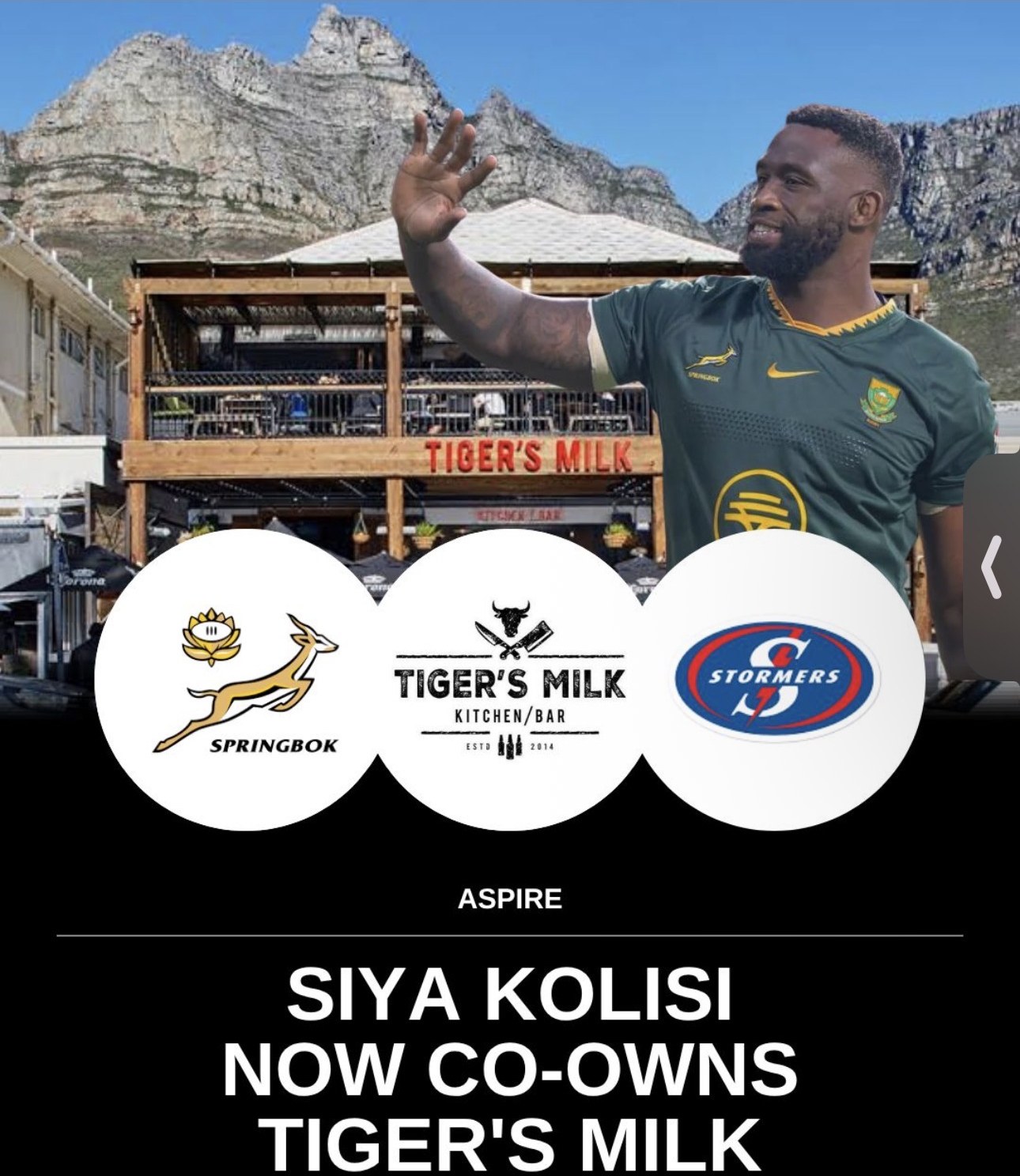
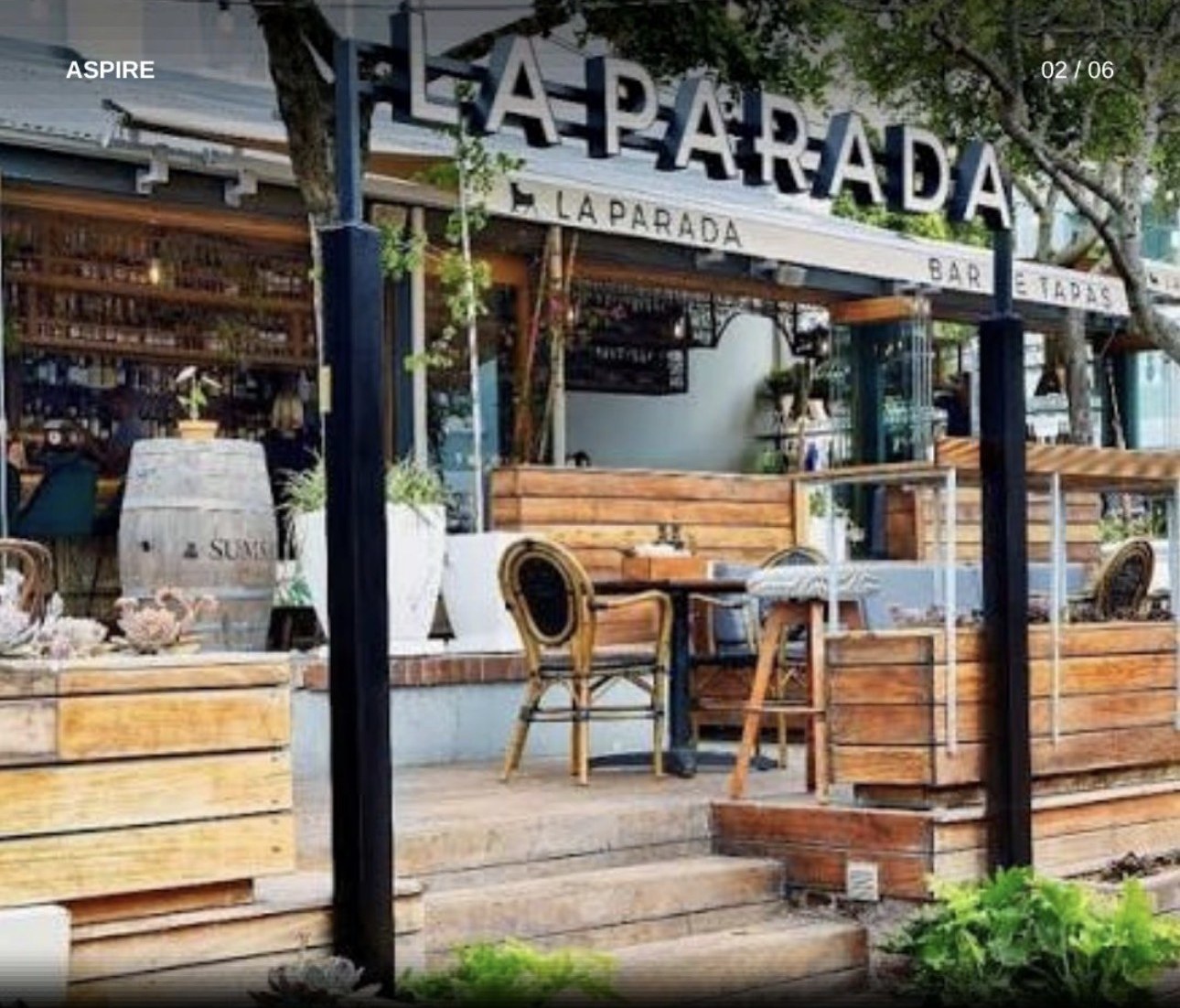
The Springbok captain has acquired a reported 5% equity stake in Life & Brand Portfolio, the hospitality group behind Tiger’s Milk, La Parada, Harbour House and Old Town Italy.
The company’s CEO, Trevor Wollheim, was quoted by Inside Politics on 31 October 2026:
“Siya is actually an equity partner. Siya owns 5% of Life & Brand.”

Kolisi is joining the business in marketing and new business development, with responsibilities that also include business expansion, culinary concepts and social responsibility initiatives.
He has explained that the move is part of preparing for life beyond professional rugby.
That is the bigger story.
The man who captained South Africa to two Rugby World Cup titles is now building a position in the business world. He has already been linked to equity in Freedom of Movement and investment in BOS Brands.
The question is no longer only how much Siya earns from rugby.
It is how much of the businesses around him he owns.
Life & Brand Portfolio began with Harbour House in Kalk Bay in 1998. It has grown into a multi-brand restaurant operation with a footprint across South Africa and the wider region.
Its brands include:
The Metier 2025 Impact Report provides a useful snapshot of the operation in 2024.
| Life & Brand Portfolio | Reported figure |
|---|---|
| Restaurant locations | 62 |
| Permanent and temporary employees | 2,953 |
| Local supplier expenditure | R627 million |
| People served daily | 26,400+ |
| Employee training expenditure | R2.9 million |
| Women in workforce | 48% |
| Women in management | 45% |
The R627 million supplier figure deserves attention. That is an enormous flow of spending through the local economy — from food and beverages to services and other operational requirements.
It also gives us a sense of the scale of the platform Kolisi has entered.
The company’s franchise information lists a general investment range of R5 million to R10 million per restaurant, with at least 50% of the required capital expected to be unencumbered.
A simple calculation gives us a sense of the capital involved in opening restaurants at that level:
These are illustrative franchise investment totals, not the value of the group’s existing restaurants. But they demonstrate why a 62-location hospitality platform is a serious commercial proposition.
Kolisi has entered a business with scale, infrastructure, brands and an established customer base.
The actual company valuation and transaction price have not been made public.
But we can use simple mathematics to understand what different valuations would mean for a 5% shareholding.
| Hypothetical company valuation | Value of a 5% stake |
|---|---|
| R100 million | R5 million |
| R150 million | R7.5 million |
| R200 million | R10 million |
| R250 million | R12.5 million |
| R300 million | R15 million |
| R400 million | R20 million |
| R500 million | R25 million |
| R750 million | R37.5 million |
| R1 billion | R50 million |
This is the useful way to look at the deal.
If Life & Brand were valued at R250 million, a 5% holding would represent R12.5 million. At R500 million, it would represent R25 million.
The table is a valuation sensitivity exercise, not a claim that the company is worth any one of those amounts.
But it puts the commercial significance of the shareholding into perspective.
A 5% stake in a business with 62 restaurant locations is a meaningful asset to investigate. Its eventual value will depend on the company’s actual financial performance, debt, cash flow, growth prospects and the rights attached to the shares.
The next question is whether Kolisi acquired existing shares or received newly issued shares — and what commercial terms were agreed.
Those details would tell us more about how the partnership was structured.
Metier’s investment history records that L&B Co acquired 70% of Life & Brand Portfolio in November 2015.
Metier later recorded L&B Co increasing its holding to 97.2%.
That history matters because it shows that Life & Brand was already an established investment platform long before Kolisi arrived.
| Year | Event |
|---|---|
| 1998 | Harbour House opens in Kalk Bay |
| November 2015 | L&B Co acquires 70% of Life & Brand Portfolio |
| Later period | Metier records L&B Co increasing its holding to 97.2% |
| October 2026 | Life & Brand announces Kolisi as a partner |
| 31 October 2026 | CEO quotation confirms Kolisi’s reported 5% stake |
Kolisi is entering a business with nearly three decades of commercial history.
That is a very different proposition from launching a restaurant with a celebrity name above the door.
He is joining an existing platform and bringing his profile, networks and commercial influence into it.
The Life & Brand stake is not an isolated business move.
In February 2024, How We Made It In Africa interviewed Freedom of Movement co-founder and CEO Léan Boezaart about the company’s relationship with Kolisi.

Boezaart explained that Kolisi initially promoted the brand without payment. The relationship developed into a Kolisi-branded product range, with royalties paid on sales.
The arrangement eventually included an equity stake of approximately 4%.
That is an interesting business model: influence becomes product demand, product demand generates royalties, and the relationship develops into ownership.
Then there is BOS Brands.
In December 2022, Daily Maverick named Siya and Rachel Kolisi among investors in a BOS Brands funding round intended to support the company’s expansion into the United Kingdom.
The individual investment amounts and ownership percentages were not reported.
| Business | Kolisi connection | Reported detail |
|---|---|---|
| Freedom of Movement | Equity | Approximately 4% |
| BOS Brands | Investment | Named as an investor; amount and stake undisclosed |
| Life & Brand Portfolio | Equity | 5% confirmed in CEO quotation |
There is a pattern here.
Kolisi has been involved in businesses through product royalties, investment participation and direct equity ownership.
He is building commercial interests beyond the rugby contract.
Kolisi’s playing career has brought him into the highest levels of professional rugby in South Africa and Europe.
Media reports placed his Racing 92 salary at approximately €1 million per season. Reports around his return to the Sharks put his annual salary at approximately R18.6 million.
Those figures show the earning power attached to his status as a double World Cup-winning captain and one of rugby’s most recognisable figures.
His return to the Stormers in 2026 was reported as involving a significant reduction in remuneration. The exact terms of the new contract have not been published.
Kolisi’s commercial profile has included partnerships and campaigns involving major brands such as Adidas, MTN, FNB, Energade, Engen and Pick n Pay.
He has also worked with Roc Nation Sports.
The individual endorsement fees are not public, so an exact annual endorsement total cannot be calculated from the available reporting.
But the commercial logic is obvious: two World Cup victories, international recognition and a profile that extends well beyond rugby create opportunities that most professional players never access.
Public estimates have varied considerably.
Briefly News published an estimate of approximately R35 million. Other South African reports have placed the figure around R35m–R40m.
Briefly News later published a 2026 estimate of approximately £5 million.
Those figures are far apart. They show how unreliable celebrity net-worth estimates can become when the underlying assets, investments and liabilities are not disclosed.
But we can still build a useful financial picture from the public information.
The important point is that the equity holdings add another layer to his financial position.
A simple calculation shows how much the Life & Brand stake could contribute under different company valuations:
If the group’s valuation were in the R500m range, the 5% interest alone would represent R25m on paper.
That would be a substantial addition to the R35m–R40m South African net-worth estimates previously circulated.
It is not a confirmed valuation. It is a way of showing why the transaction deserves serious financial attention.
The real value of Kolisi’s portfolio cannot be understood by looking at his rugby salary alone.
His business interests, royalties, endorsements and shareholdings all belong in the calculation.
R17.5 million.
That is the figure The Citizen put into the public conversation on 13 June 2025, reporting that Rachel Kolisi was expected to receive approximately half of Siya Kolisi’s estimated R35 million net worth. The figure was attributed to Pulse Sports.
The arithmetic is straightforward:
But the question is much bigger than the calculation.
Rachel and Siya were married for eight years. During that period, Siya’s rugby career took him from the Stormers to becoming Springbok captain, lifting the Rugby World Cup twice and becoming one of the most recognisable figures in South African sport.
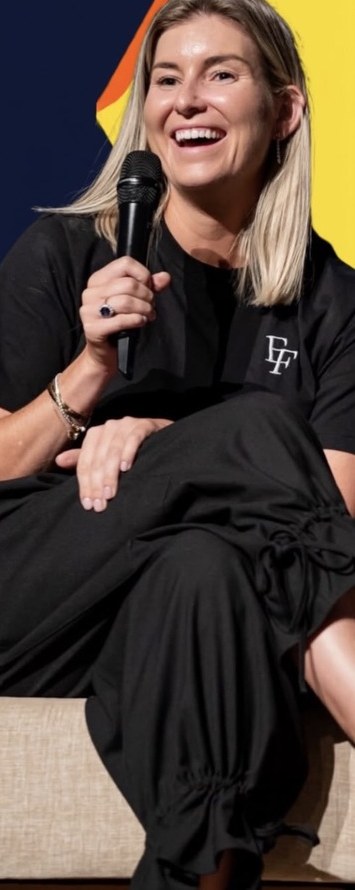
Rachel was part of that journey. They raised a family together, and she was also publicly involved in the Kolisi Foundation. People who worked with the Foundation described her as an operational force. She resigned as its CEO in March 2025 and subsequently pursued a constructive-dismissal claim at the CCMA.
Those facts matter. But they do not end the financial debate.
How should Rachel’s contribution to the marriage be measured — and how should that contribution translate into a financial settlement?
How much of the life they built was funded by Siya’s professional rugby career? How much did Rachel contribute through raising their children, supporting the family and her own work? What did each person bring into the marriage, build during it and retain when it ended?
And the uncomfortable questions must be asked plainly:
There is another uncomfortable issue in professional sport. High-profile athletes build wealth through years of physical sacrifice, short career windows, intense public pressure and earnings that can disappear when the body can no longer perform. Divorce can then become a major financial event in the life of an athlete.
That raises a question beyond this one marriage: are the financial consequences of divorce being examined with the same seriousness as the years of work that created the wealth?
We should also examine the public narrative surrounding Rachel after the separation.

Her platform continues under the Kolisi name, and her public message includes the phrase “Falling Forward.” She has explained that keeping the surname is connected to the fact that her children share it. That is her explanation. But the public is entitled to ask a further question: how much of the recognition, reach and commercial value attached to the Kolisi name comes from Siya’s sporting legacy — and how is that association being used in her public identity today?
There is a difference between building an independent identity and continuing to benefit from the public recognition created during a marriage to one of the country’s most celebrated athletes. That distinction deserves scrutiny, particularly when the same public is being asked to engage with a story of personal reinvention and empowerment.
So, does Rachel deserve the money?
That is the question people are debating. The answer cannot be settled by a headline, a celebrity net-worth estimate or the assumption that every divorce should produce a 50/50 division. It requires looking at the actual contributions, the actual estate and the actual outcome.
The reported R17.5 million is a substantial figure. If it was the settlement, the public can reasonably ask what justified it. If it was not the settlement, the public can reasonably ask why it was reported as the amount Rachel would receive.
And one final question should not be avoided:
If the roles were reversed — if Rachel had built the extraordinary public career and wealth, while Siya had been the spouse alongside her — would the public be just as comfortable with him reportedly walking away with R17.5 million?
That is not an accusation. It is a test of whether the standard being applied is genuinely fair.
The public celebrated Siya as a leader, a captain and a national figure. It is entitled to scrutinise the financial story that followed the end of his marriage — and to ask whether the outcome reflects a fair division of a shared life or simply a number that became a headline.
Rachel’s own website uses the phrase “Falling Forward” as part of her public platform.
It is a powerful phrase. It speaks to resilience, rebuilding and moving forward after difficult experiences.
But the public financial conversation around the divorce has been shaped by the R17.5m figure.
That creates an obvious tension in the public narrative.
If the reported settlement figure is accurate, what does “falling forward” mean in financial terms?
If it is not accurate, why has the number been allowed to circulate for so long without a clear public correction?
And if the settlement was materially different, why has the public been left to debate a figure that may not reflect the actual outcome?
The point is not to decide what Rachel received. The point is that a public narrative built around resilience and rebuilding exists alongside a widely circulated financial figure that has never been properly explained.
Those two parts of the story deserve to be examined together.
Rachel continues to use the Kolisi surname in her public and professional identity.
That is also the surname associated with one of the most successful and recognisable Springbok captains in history.
It is fair to ask how much commercial value that association carries.
How much of the audience, recognition and media attention attached to the Kolisi name was built through Siya’s rugby career?
How much of Rachel’s public platform developed through their shared profile, the Foundation and the years in which they appeared together?
And now that the marriage has ended, how should the public understand the continued use of a name that carries both personal and commercial recognition?
The name is part of her public identity. It is also a powerful brand association.
The question is not whether she can use it. The question is how much of the public platform is built on the legacy that Siya created — and how that relationship is presented to the audience today.
There is a difference between building an independent identity and continuing to draw commercial value from a shared public identity.
The audience is entitled to ask where that line sits.
The Women For Change controversy adds another dimension to the wider conversation about public advocacy, donations and accountability.
In October 2026, IOL reported renewed scrutiny of Women For Change following questions raised by content creator Brown Rodrigues.
Rodrigues questioned the organisation’s financial statements, crowdfunding totals, staff remuneration and the amount of money reaching survivor-support programmes.
The figures she cited included:
| Issue raised by Brown Rodrigues | Figure she cited |
|---|---|
| BackaBuddy crowdfunding total | R585,305 |
| Offline donations | R391,390 |
| Amount she said appeared in the 2025 financial statements | R32,000 |
| Staff remuneration figure she cited for 2025 | R138,544 |
Rodrigues also questioned whether the survivor support line operated 24 hours a day, seven days a week, and asked what practical services were being delivered through education, legal assistance, community outreach and workshops.
These are serious questions because the organisation’s public profile is built around a crisis affecting women across South Africa.
Women For Change founder Sabrina Walter rejected earlier allegations that the organisation was unregistered or that its team used donations for personal gain. In December 2025, she said the organisation was registered, compliant and making its financial statements publicly available.
The organisation’s website now lists annual financial statements for 2022/23, 2023/24, 2024/25 and 2025/26, alongside annual impact reports.
That gives the public something concrete to examine.
When an organisation raises money in the name of vulnerable women, the public should be able to follow the money.
How much was raised?
How much was spent on staff and administration?
How much went directly to survivor support?
What services were delivered?
How many women received assistance?
What does the organisation count as impact?
And do the financial statements reconcile with the crowdfunding figures being discussed?
These are adult questions about accountability. They should be answered with documents, figures and a clear explanation from the organisation.
The public is already comparing the language of empowerment, resilience and advocacy with the financial questions being raised around organisations and public figures.
That comparison should not be ducked.
When someone builds a public platform around women’s empowerment, audiences are entitled to scrutinise the money, the partnerships, the claims and the outcomes attached to that platform.
The same standard applies to every public-facing advocacy organisation.
A powerful message does not replace financial transparency. A large following does not replace measurable delivery. And a campaign’s popularity does not answer questions about how its money is spent.
That is the standard the public should apply.
Kolisi’s career has already placed him in the history books.
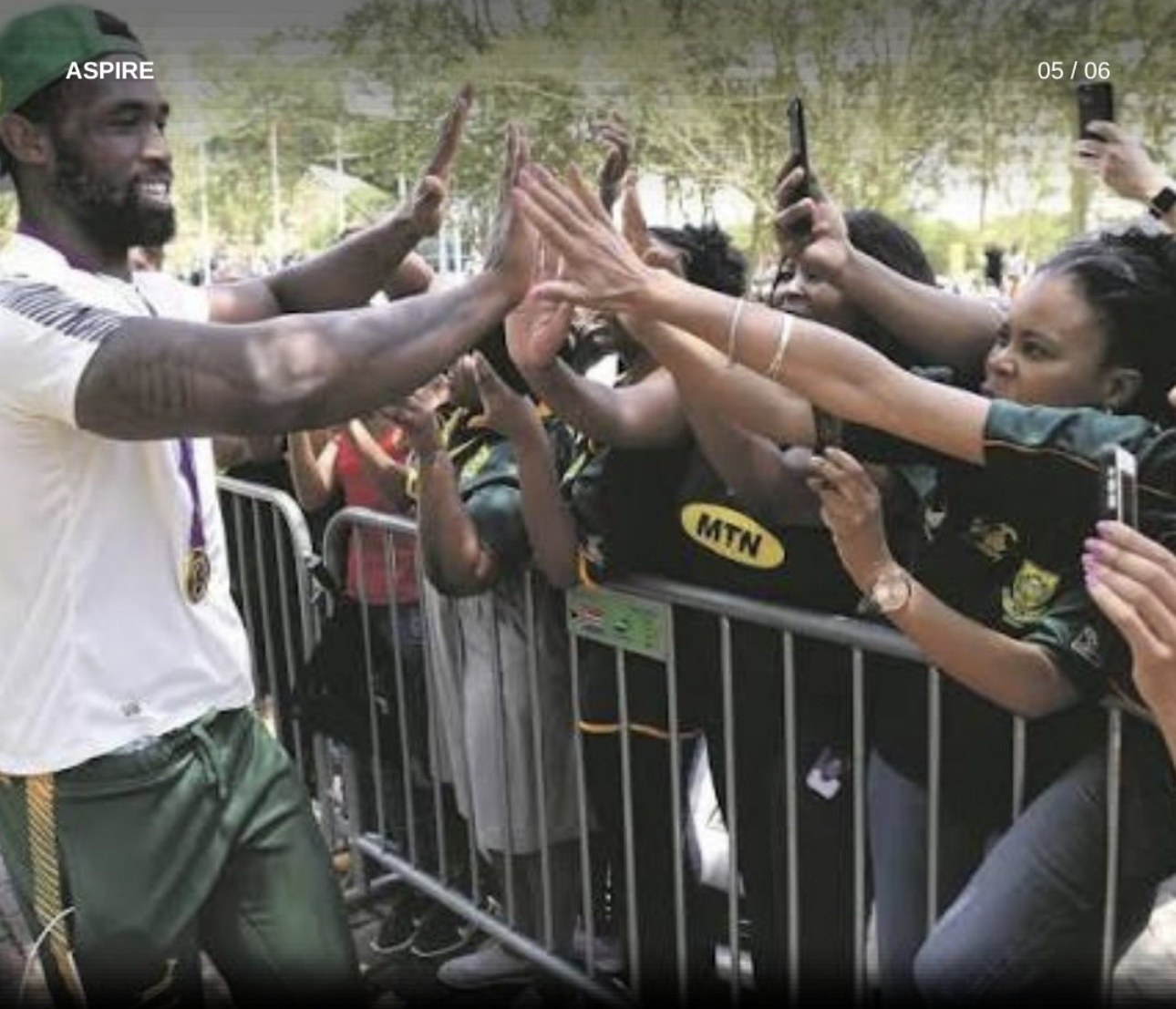
He captained South Africa to the 2019 and 2023 Rugby World Cup titles. He became the first Black Springbok captain. He became a global sporting figure.
Now the business story is developing.
The reported 5% Life & Brand stake joins an approximately 4% Freedom of Movement holding and reported participation in the BOS Brands funding round.
These are different businesses, different structures and different financial arrangements.
But together they show a clear commercial direction.
This is how a sporting career can become a commercial platform.
A player earns from his contract. A recognised figure attracts brand partnerships. A trusted public profile creates opportunities to promote products. Those relationships can develop into royalties and shareholdings.
And equity can keep participating in a business long after the athlete has stopped playing.
That is the significance of this latest move.
The numbers raise questions that deserve proper answers. What valuation was placed on Life & Brand when Siya acquired his 5% stake, and what did that investment actually cost? What rights and financial returns come with the shares? How much are his other investments, royalties and commercial partnerships worth today? These are not obscure details: they are the figures needed to understand the scale of the business portfolio being built around one of South Africa’s most recognisable sporting names.
The divorce raises an equally important question about Rachel. The reported R17.5 million figure became part of the public story, but where did it come from, and what did the actual financial arrangement look like? More broadly, how should the public distinguish Rachel’s own achievements and commercial identity from the recognition attached to the Kolisi name and the sporting legacy behind it? If a public platform draws value from that association, it is fair to examine how that value is built and presented.
And when organisations appeal to the public in the name of vulnerable women, financial transparency must be part of the bargain. Women For Change should be able to account clearly for the donations it receives, the figures raised by its critics, the money reflected in its published statements and the services delivered to the women it says it supports.
This investigation is about money, ownership, influence and accountability. The public hears the headlines. We want to see the numbers behind them.
Siya Kolisi has already achieved what most rugby players can only dream of.
But the Life & Brand deal suggests that he is thinking about a different scoreboard now.
A reported 5% stake in a restaurant group with 62 locations. An approximately 4% stake in Freedom of Movement. A reported investment in BOS Brands. A commercial profile that stretches across sport, fashion, hospitality and international partnerships.
The financial value of those holdings is still being established. But the direction is clear.
Kolisi is converting sporting influence into ownership.
And that is a story worth following.
The divorce story deserves the same attention to detail. The R17.5m figure became a headline because someone took a reported R35m net-worth estimate and divided it by two. That is simple maths. It is not a substitute for the actual settlement.
The public should be able to ask what happened to the money, what the real figures were and how the public narratives around resilience, identity and empowerment relate to the financial facts.
The same applies to organisations asking South Africans to donate in the name of women and survivors. The mission matters. So does the accounting.
We celebrate the captain. We follow the investments. We question the numbers.
That is ScrumAtMe.
The Life & Brand valuation examples are hypothetical calculations to illustrate the value of a 5% stake at different company valuations. Women For Change financial figures are attributed to the critic quoted by IOL; the organisation’s published response and financial reports are linked above.