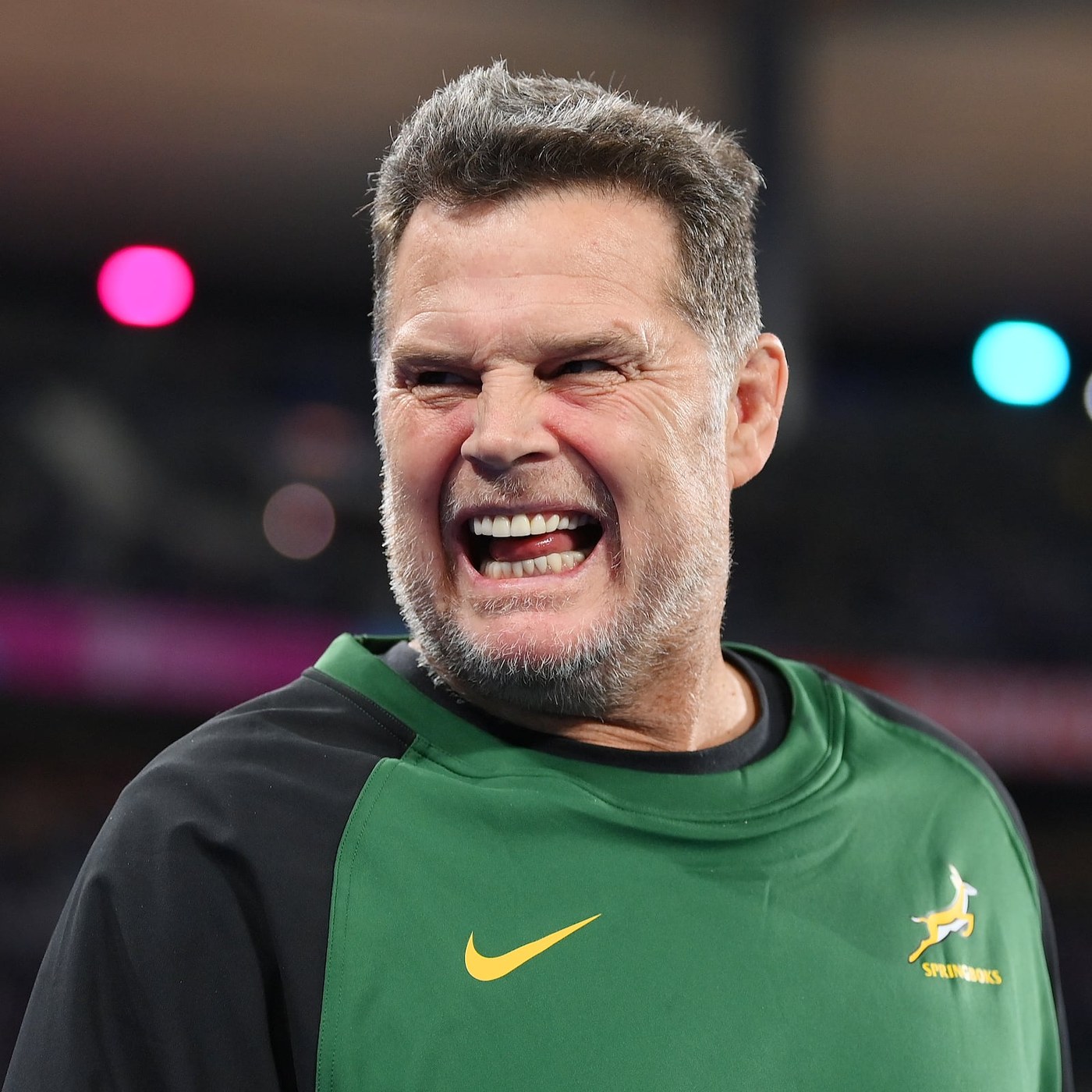
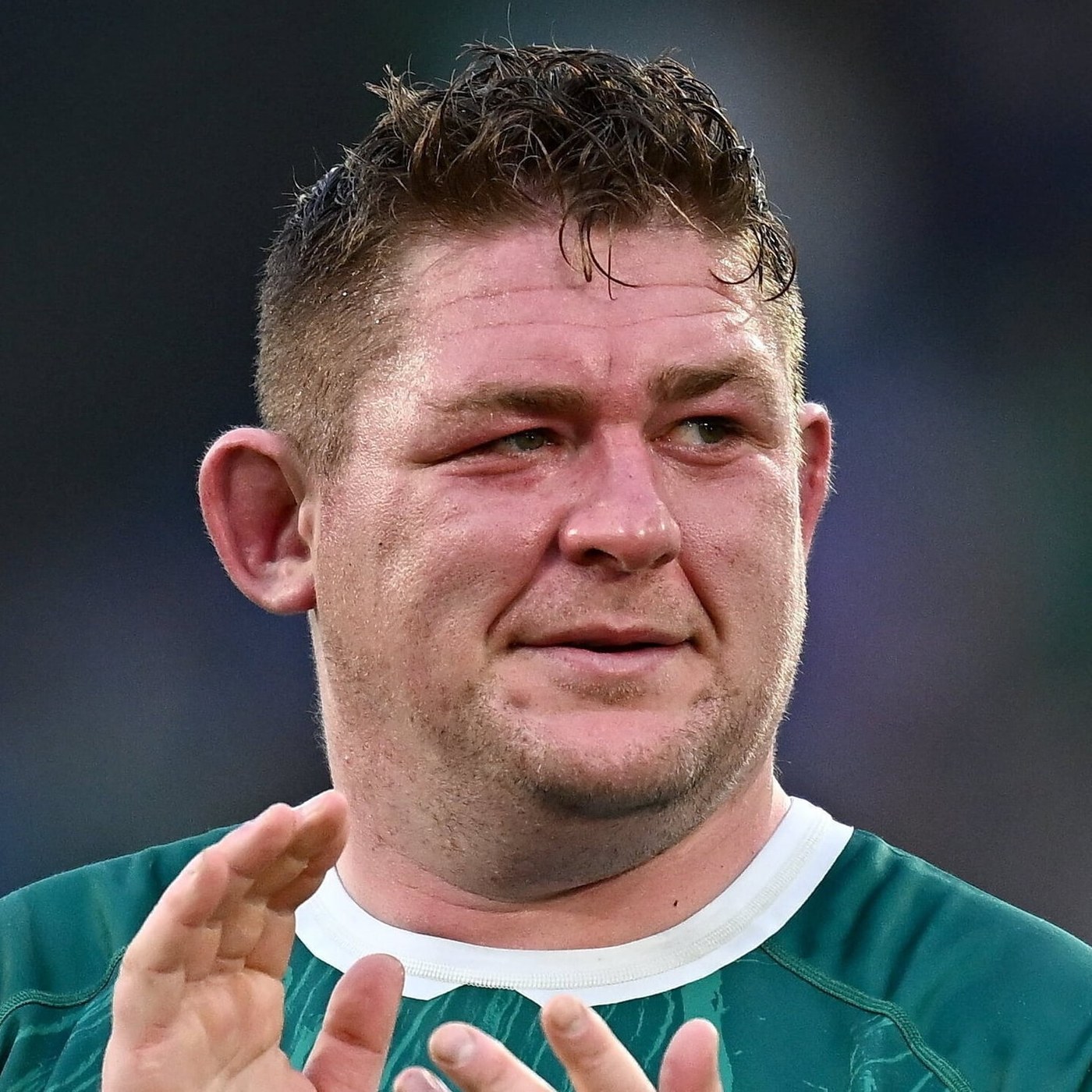
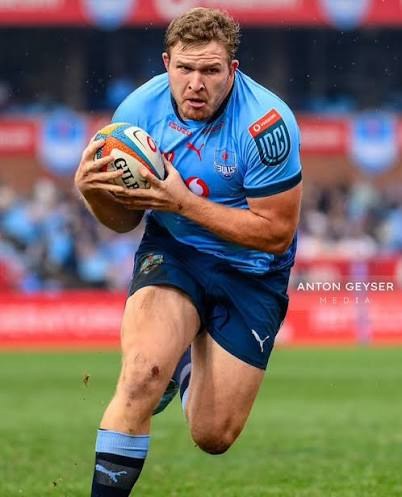
Rassie Erasmus · Tadhg Furlong (pictured for Ireland) · Jan-Hendrik Wessels (pictured for the Vodacom Bulls)
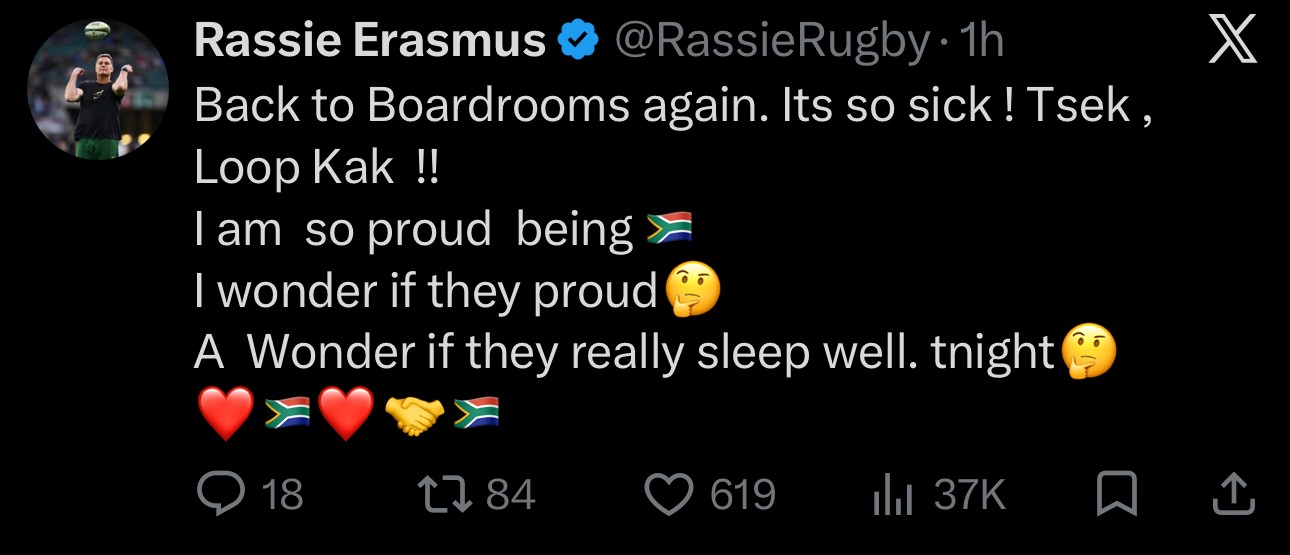
“Back to Boardrooms again. Its so sick!”
That was Rassie Erasmus' message.
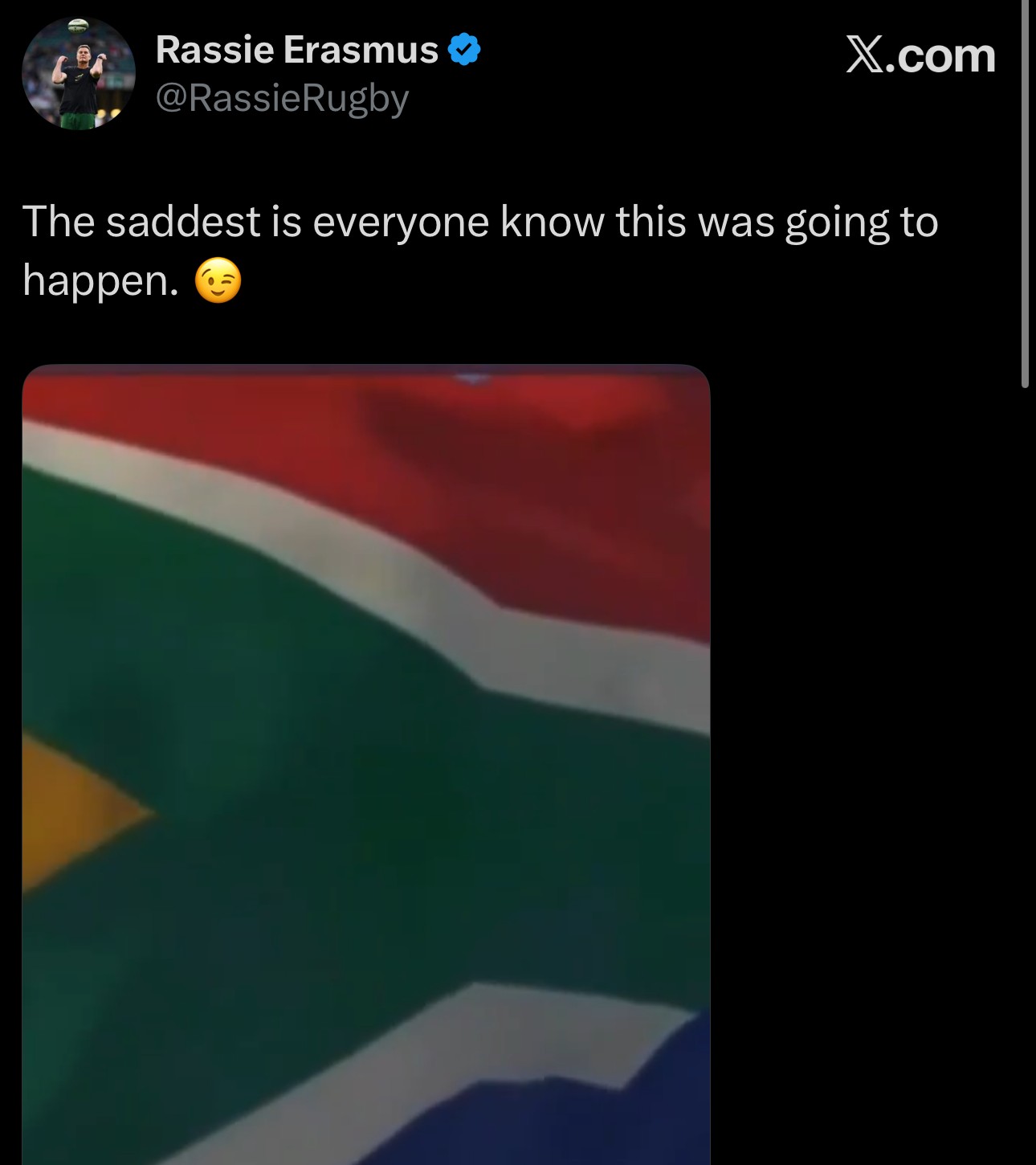
Another post followed:
“The saddest is everyone know this was going to happen. 😉”
Supporters wanted answers. Some demanded “Justice for JHW!” Others called for consistency. One accused the system of corruption. Another told Rassie to stop crying.
Then Munster Rugby's interim CEO, Avan Lee, called for disciplinary proceedings to conclude without “unhelpful commentary from people with a clear influence over public perception”.
There is clearly a dispute playing out beyond the rugby field. But what triggered it?
Two separate matches. Two allegations involving an opponent's genitals. Two players cited under the same disciplinary law.
Jan-Hendrik Wessels received an eight-match suspension. Tadhg Furlong was cleared without a suspension.
The comparison has become the centre of a debate about consistency in URC discipline.
And the disciplinary records contain some striking connections.
The public conversation has been divided.
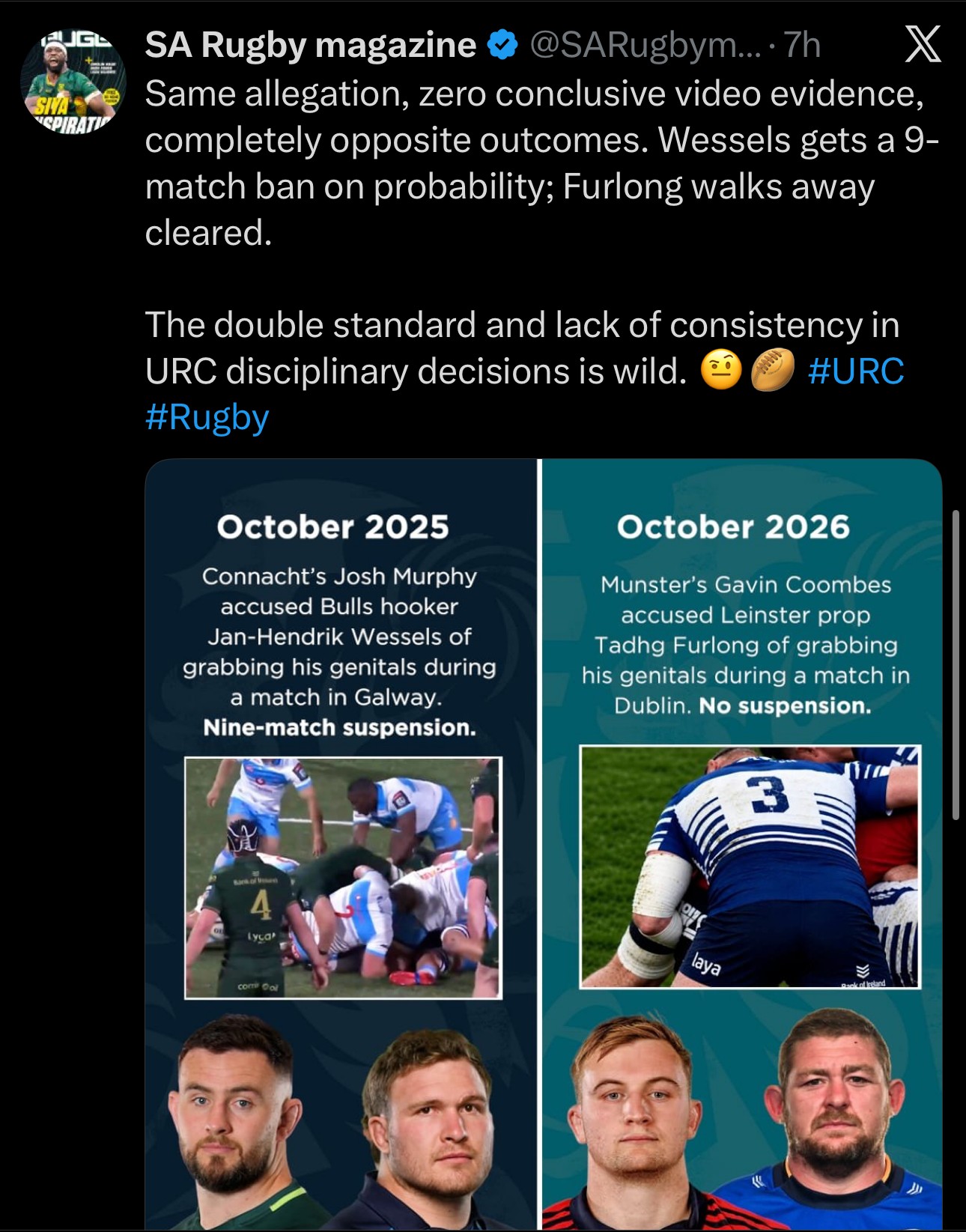
SA RUGBY MAGAZINE highlighted what it saw as a lack of consistency:
“Same allegation, zero conclusive video evidence, completely opposite outcomes.”
CALLUM GOWAR was direct:
“Justice for JHW!”
RUGBYBRA called for consistency, using a deliberately provocative joke about the Furlong allegation.
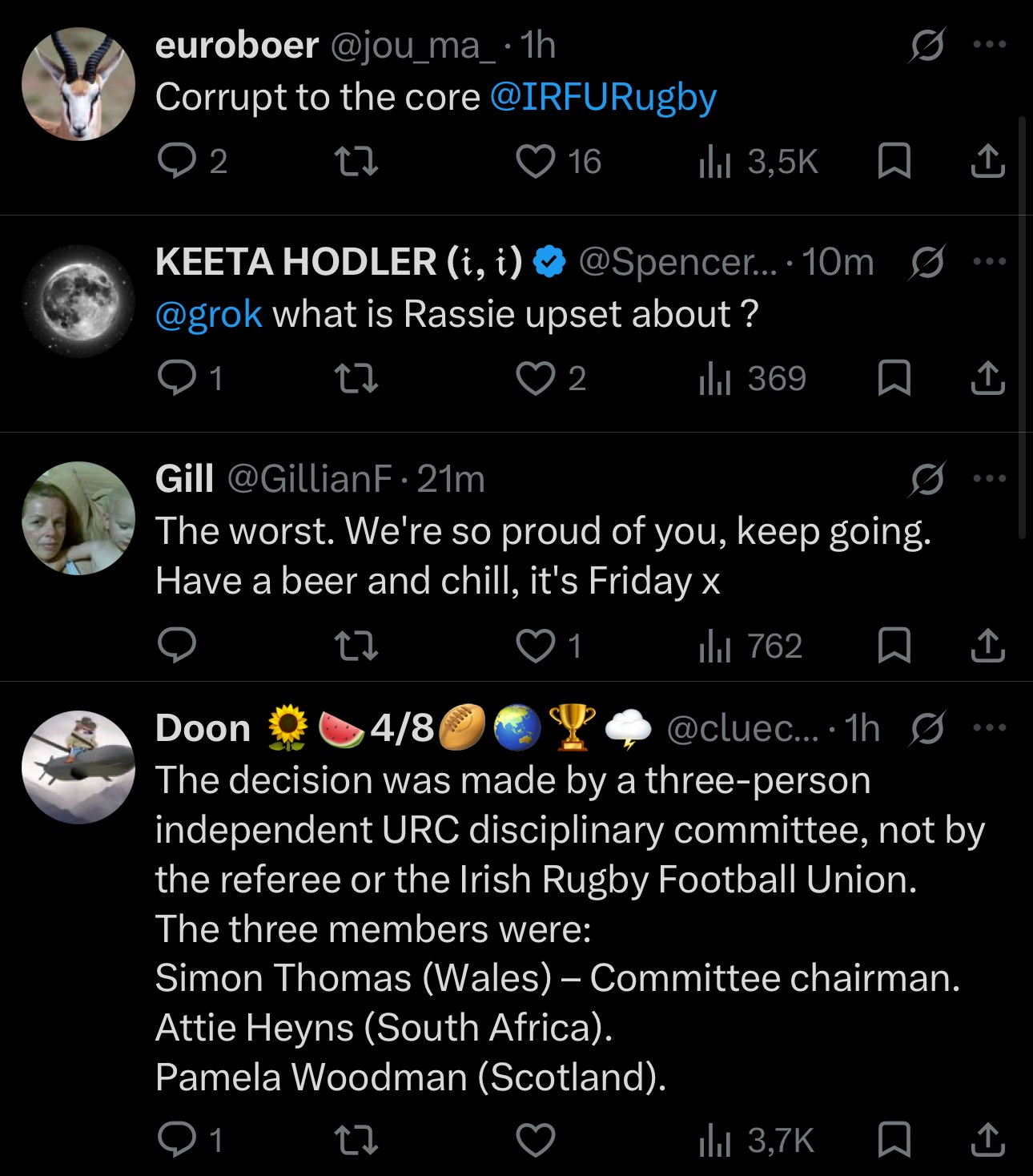
EUROBOER went further:
“Corrupt to the core @IRFURugby”
That is an accusation by a supporter, not an established finding.
Others backed Rassie. Gill wrote:
“We're so proud of you, keep going. Have a beer and chill, it's Friday x”
Peter added:
“Keep going Rassie. 💪💪”
But not everyone agreed. RugbyPiss responded:
“I hope they ban you again. Stop crying about everything.”
And Doon reminded readers that the Furlong verdict came from an independent three-person URC disciplinary committee, not the referee or the IRFU. Its members were Simon Thomas, Attie Heyns and Pamela Woodman.
The debate is loud. The central issue, however, is not decided by likes, reposts or accusations.
It is decided by the disciplinary records.
During the Bulls' match against Connacht, Connacht forward Josh Murphy alleged that Bulls prop Jan-Hendrik Wessels had grabbed and twisted his testicles.
Murphy struck Wessels on the head.
Referee Mike Adamson penalised Murphy and issued a 20-minute red card.
The officials consulted television match official Hollie Davidson. The available footage did not provide conclusive evidence of foul play by Wessels.
Wessels remained on the field.
Murphy's red card was subsequently rescinded, according to the reporting on the incident.
Wessels denied the allegation.
But the matter did not end when the final whistle blew.
Citing commissioner Peter Ferguson brought a formal charge against Wessels under World Rugby Law 9.27.
An independent disciplinary committee found Wessels guilty on the balance of probabilities.
The committee applied a 12-week low-end entry sanction, reduced by three weeks for his record and conduct.
The original suspension was therefore nine matches.
The first-instance disciplinary panel consisted of:
The committee reportedly considered Murphy's testimony, his immediate reaction, the citing commissioner's evidence and the available video footage.
It also referred to Wessels' left-arm movement and a backward glance, which it regarded as consistent with the alleged incident.
The committee concluded that the contact was intentional, rather than accidental or fleeting.
Wessels was found guilty despite the absence of conclusive video evidence from the match.
The Bulls challenged the decision.
The appeal committee dismissed the substantive grounds but reduced the sanction by one week.
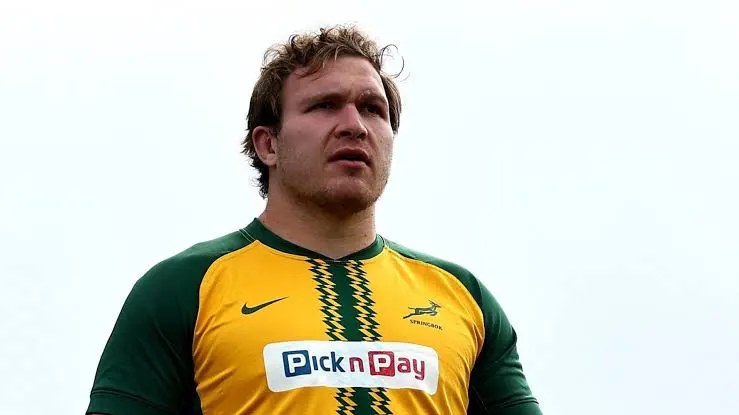
Wessels' final suspension became eight matches.
The appeal panel consisted of:
The Bulls strongly criticised the process, describing it as a “kangaroo court” and raising the possibility of further legal action.
The final outcome:
Almost exactly one year later, another allegation involving an opponent's genital area reached the URC disciplinary system.
During Leinster's match against Munster, Munster No. 8 Gavin Coombes alleged that Leinster and Ireland tighthead prop Tadhg Furlong had grabbed his groin during a breakdown.
The incident occurred around the 37th minute.
Referee Andrew Brace consulted television match official Colin Stanley.
The officials could not establish foul play from the footage available to them.
Once again, the matter proceeded beyond the match.
Citing commissioner Peter Ferguson brought a formal complaint against Furlong under the same World Rugby Law 9.27.
Furlong appeared before an independent URC disciplinary committee.
The panel consisted of:
The committee unanimously dismissed the complaint.
Its conclusion was that Furlong had not committed an act of foul play contrary to Law 9.27.
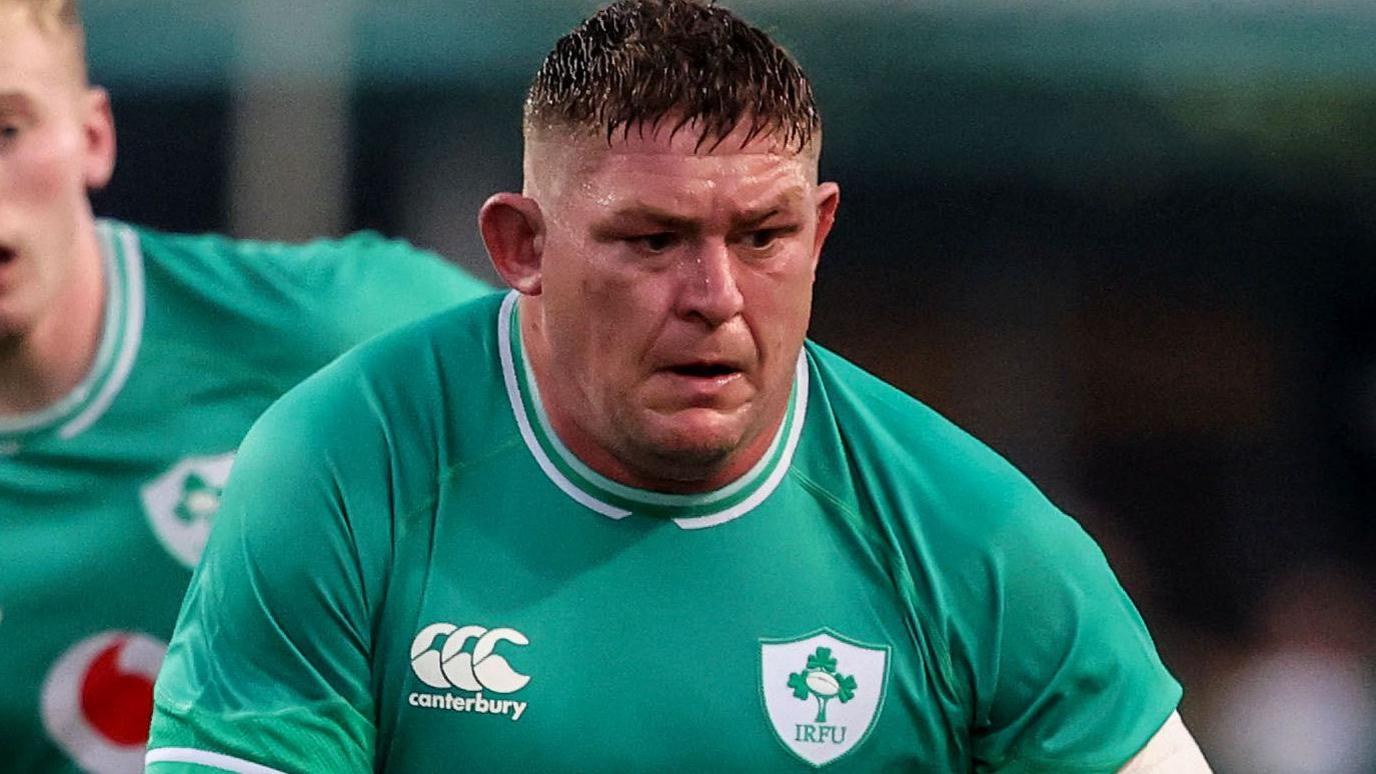
Furlong received no suspension and remained eligible for selection.
But there was another important detail in the committee's published decision.
It stated that Coombes had given an honest account of his recollection of events surrounding the incident.
That matters.
The committee did not have to conclude that Coombes had lied in order to dismiss the complaint. It accepted that he honestly recalled what he believed had happened, but concluded that the evidence did not establish that Furlong had committed the offence.
The full written reasons were still awaited in the published material.
The official outcome:
Now put the two cases next to each other.
| JAN-HENDRIK WESSELS | TADHG FURLONG | |
|---|---|---|
| Match | Connacht v Vodacom Bulls | Leinster v Munster |
| Date | 17 October 2025 | 24 October 2026 |
| Complainant | Josh Murphy | Gavin Coombes |
| Allegation | Grabbing and twisting testicles | Grabbing the groin/genital area |
| Referee | Mike Adamson | Andrew Brace |
| TMO | Hollie Davidson | Colin Stanley |
| Citing commissioner | Peter Ferguson | Peter Ferguson |
| Disciplinary law | World Rugby Law 9.27 | World Rugby Law 9.27 |
| Match officials' video assessment | No conclusive evidence of foul play | Foul play not established from available footage |
| Disciplinary verdict | Guilty | Complaint dismissed unanimously |
| Final sanction | Eight-match suspension | No suspension |
That is the contrast.
Two allegations involving contact with an opponent's genital area. The same disciplinary law. The same citing commissioner. Both incidents went beyond the match officials' ability to establish conclusive foul play from the available footage.
Yet one player was found guilty and suspended for eight matches, while the other was cleared.
The same law does not automatically mean the evidence was identical. But the difference in outcome is substantial enough to demand a proper explanation.
There are two particularly important overlaps in the records.
Ferguson brought the charge against Wessels in October 2025.
He also brought the complaint against Furlong in October 2026.
Thomas sat on the first-instance panel that found Wessels guilty.
A year later, he chaired the committee that unanimously dismissed the complaint against Furlong.
That is a documented overlap.
It is not proof of corruption, bias or improper influence. It does, however, make the committees' written reasoning especially important.
There is another detail worth noting: the Furlong panel included South African representative Attie Heyns. The committee was not an Irish-only panel, and its decision was unanimous.
The question is not whether Furlong should have been suspended simply because Wessels was.
The question is whether the same evidential standard was applied consistently — and whether the written decisions can demonstrate that.
The Wessels committee reportedly relied on Murphy's testimony, his immediate reaction, the citing commissioner's evidence and its interpretation of Wessels' movements.
It concluded that the contact was intentional and that the allegation was proved on the balance of probabilities.
The Furlong committee dismissed the complaint while expressly accepting that Coombes had honestly recalled the incident.
Those findings are not necessarily contradictory. An honest recollection does not, by itself, prove that the alleged physical act occurred. Different evidence can legitimately produce different outcomes.
But the public cannot properly compare the two decisions without the full written reasons in the Furlong case.
The URC needs to answer:
These are questions about the consistency and transparency of the disciplinary system.
They are not demands for a particular verdict.
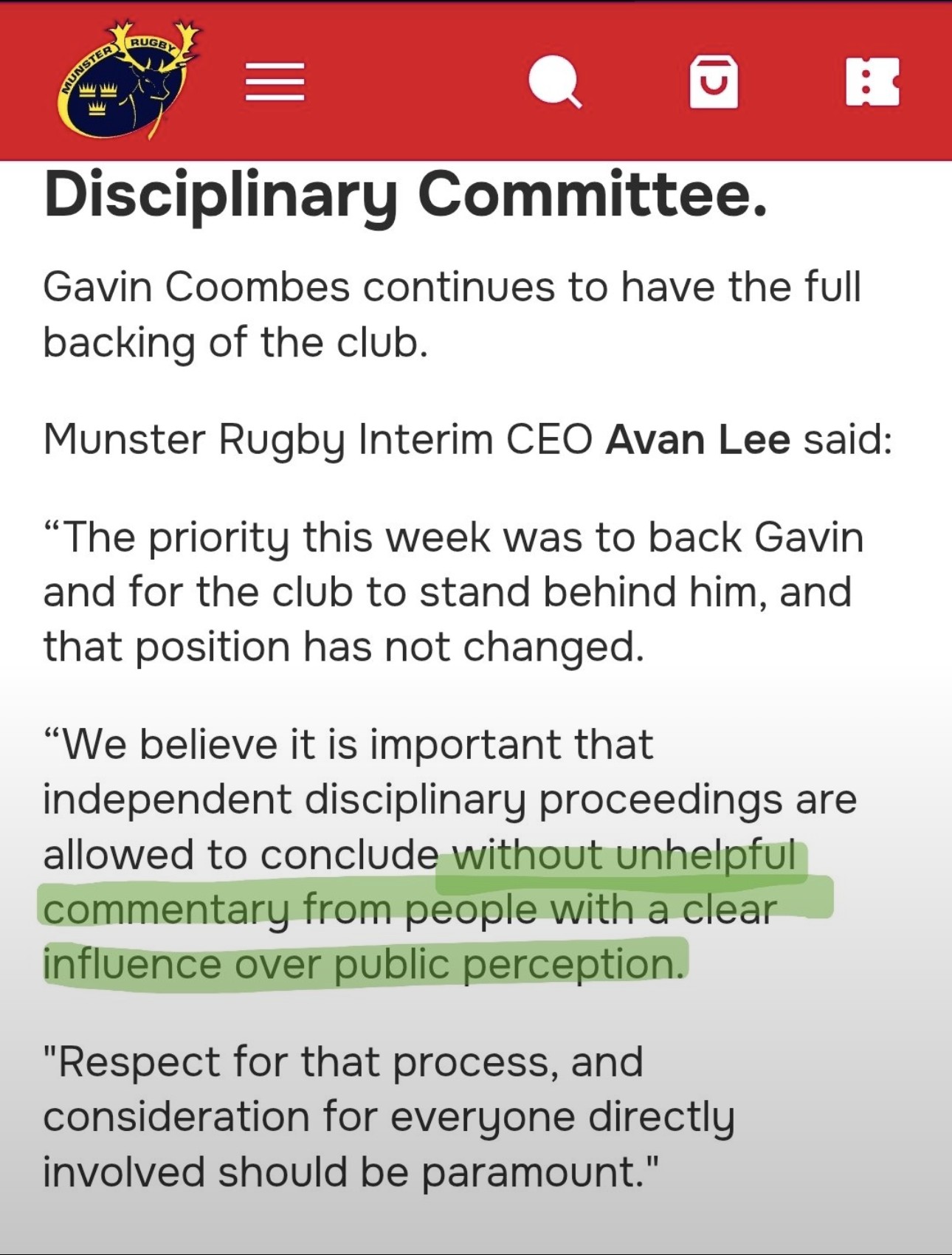
Munster interim CEO Avan Lee said the club continued to support Coombes and called for the proceedings to conclude without “unhelpful commentary from people with a clear influence over public perception”.
It is reasonable for a club to protect its player and to want disciplinary proceedings conducted independently.
It is also reasonable to expect public figures not to attempt to dictate the outcome of a hearing.
But public scrutiny is not the same as interference.
The committee has delivered its verdict. The next step is for the URC to publish the full reasoning and allow the public to examine it.
If the evidence in the two cases was materially different, explain how.
If the panels applied the same standard, show the public where that standard appears in the reasoning.
A statement asking people to stop commenting does not answer the questions raised by the decisions.
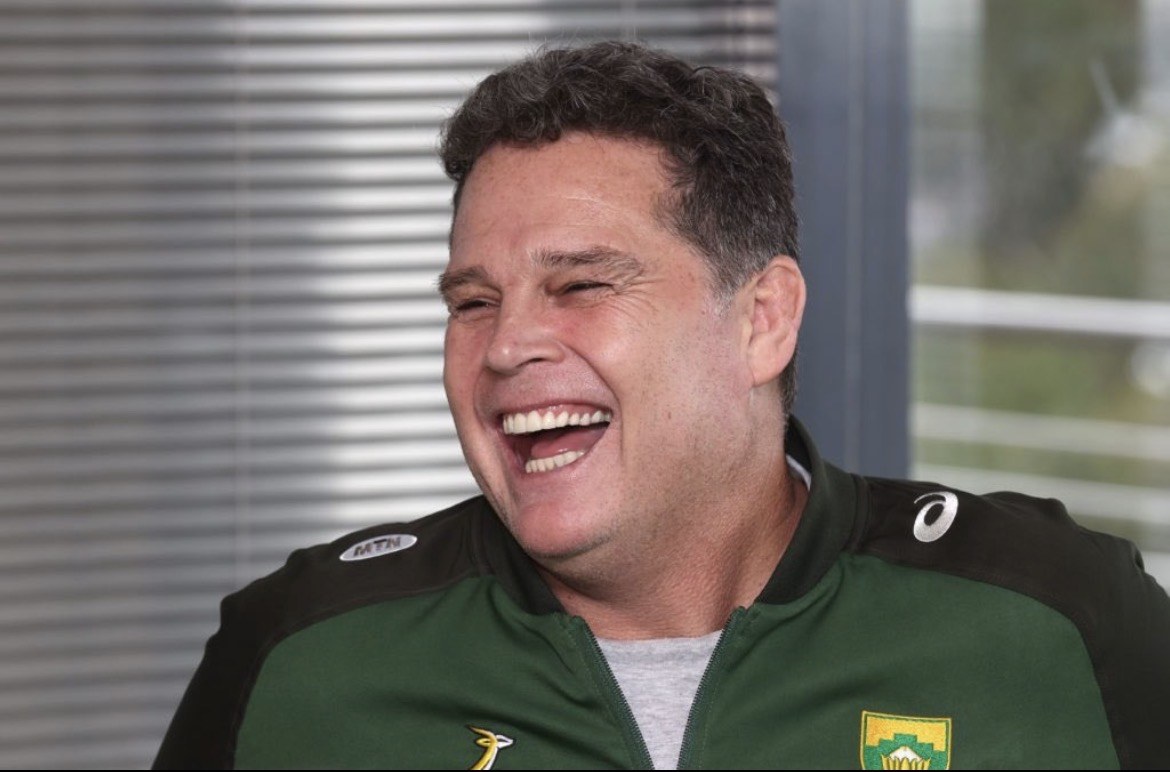
Rassie's posts do not establish that the disciplinary process was corrupt or that either decision was improperly influenced.
But the comparison explains why his boardroom comments have attracted so much attention.
In 2025, after Wessels' original sanction, Rassie said South Africa had to win on the field and in the boardrooms.
In 2026, he returned to the same subject.
The disciplinary records now show:
There may be a sound evidential explanation for the different outcomes. The full Furlong reasons should provide it.
Until then, supporters are entitled to ask why the results look so different.
This is not a demand that Tadhg Furlong be suspended because Jan-Hendrik Wessels was.
It is not proof that the IRFU controlled the decision. The Furlong case was decided by an independent URC disciplinary committee.
And it is not proof that the Wessels finding was wrong.
It is a demand for consistency.
A disciplinary system cannot expect players, clubs and supporters to accept severe sanctions in one case and a complete dismissal in another without providing transparent reasons for the difference.
Rassie can post his emojis. Supporters can argue about boardrooms. Munster can defend Coombes. Leinster and Ireland can stand behind Furlong.
But the central question belongs to the URC.
The answer should be in the paperwork.
Publish it. Explain it. Let the rugby world read it.
THE BALLS ARE ON THE TABLE. NOW LET THE BOARDROOMS SHOW THE RECEIPTS.
WE INVESTIGATE FIRST. WE COOK SECOND.