


In memory: Josaia Raisuqe, 30 (pictured at Castres Olympique) · Cléa Menier, 17 (Union du Bassin Marmandais) · Hyron Andrews, 31 (pictured at Sale Sharks)
Three deaths in French rugby within approximately nine days. A 31-year-old professional forward found dead in a hotel. A 23-year-old amateur player who collapsed at the end of a match. A 17-year-old girl who died after an injury on the pitch.
Different lives. Different circumstances. Different reported medical explanations.
And one question that deserves an answer: are rugby's medical and emergency systems doing everything reasonably possible to keep its players alive?
The circumstances differ, but every death raises urgent questions about what was known beforehand, what happened in the critical moments, and what the sport can learn afterwards.
When a player dies, the public deserves answers. Was a dangerous condition detectable? Were warning signs recognised? Was emergency equipment available and used quickly? Did the medical investigation establish a cause? And are the lessons from one death being used to protect the next player?
ScrumAtMe examined the reported cases, the medical evidence and the systems intended to protect players. The timeline is striking. The unanswered questions are specific. And the governing bodies responsible for player welfare should be able to explain what their records show.
Axel was playing for US Pays de Gex against Rhône Sportif in a Régionale 1 reserve match. Near the end of the game, he suffered a medical emergency and collapsed. Emergency responders attempted resuscitation, including cardiac massage. He was transported by helicopter to hospital in Geneva, where he died. His club announced his death on 26 October.
Source: TF1 Info
The reports available on 26 October said Axel had not suffered an obvious significant impact immediately before collapsing. His underlying cause of death had not been publicly established.
That distinction matters. Cardiorespiratory arrest describes a medical emergency; it does not, by itself, explain what caused it. Without the final medical findings, we cannot say whether Axel had an underlying heart condition, a dangerous rhythm disturbance, another medical problem or something else entirely.
The people on that pitch did not have the luxury of waiting for answers. They had a teammate on the ground, emergency measures underway and a life they were trying to save.
The Fédération Française de Rugby expressed its condolences and announced psychological support for those affected. Those measures matter. But support for the people left behind is not a substitute for learning what happened.
The questions now are specific: How quickly was the emergency recognised? What equipment was available? Was an automated external defibrillator (AED) present and used? What was the recorded emergency-response timeline? What did the subsequent medical investigation establish?
The public reporting reviewed for this investigation leaves these questions unanswered. The next step is to obtain the records: the emergency timeline, equipment details and clinical findings.
Source: TF1 Info · Le Parisien
And Axel's death arrived after another French rugby tragedy, involving a teenage player, and days after a South African professional forward was found dead in France.
That is where this investigation begins.
The South African Lions lock was found dead at the team's hotel before a European match. A post-mortem later identified an aortic dissection.
The Union du Bassin Marmandais player suffered an injury during a match and later died in hospital in Bordeaux. The FFR publicly acknowledged her death and said the circumstances would be examined.
The US Pays de Gex player collapsed near the end of a match. Resuscitation was attempted, and he was transported to Geneva. His death was announced on 26 October; the cause remained unknown in the reports reviewed.
In approximately nine days, French rugby lost three players aged 17, 23 and 31. Their reported circumstances differ sharply: Hyron Andrews's post-mortem identified an aortic dissection; Cléa Menier died after an on-field injury; Axel collapsed near the end of a match, with his cause of death still unconfirmed in the public reporting reviewed.
That distinction is essential to understanding the timeline. It is not a single confirmed cardiac cluster. It is a concentrated series of deaths that demands a closer look at the circumstances of each case and the systems surrounding them.
Across the three cases, the investigation must establish what was known before each emergency, what happened during it, what the medical findings concluded and what lessons could protect other players.
Those are the parallels worth pursuing.
Three deaths in nine days are enough to demand attention. But the question becomes larger when we examine earlier cases involving rugby players who collapsed during training, died after cardiac emergencies, or were lost to conditions that medical investigations could not fully explain.
The following is a preliminary register of reported cases identified in the research, not a complete global death count. It separates the known circumstances from what remains medically uncertain.
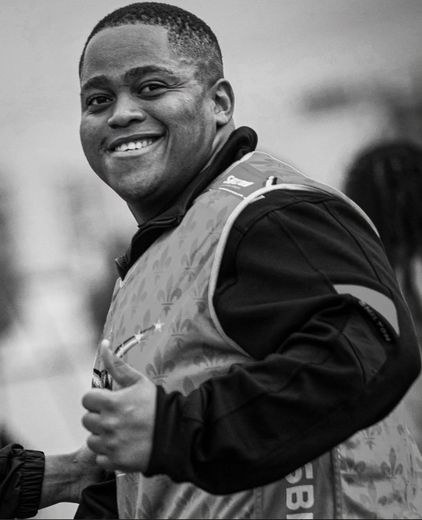
A former South African Under-18 international and promising prop, Makwedini became unwell during training with AS Béziers Hérault. He was taken to hospital and died hours later. His exact cause of death was not publicly confirmed in the reports reviewed.
Source: L'Équipe
The medical question: What did the post-mortem and any subsequent investigation establish? Was there an underlying condition, and could it have been detected? We cannot answer either question without the records.
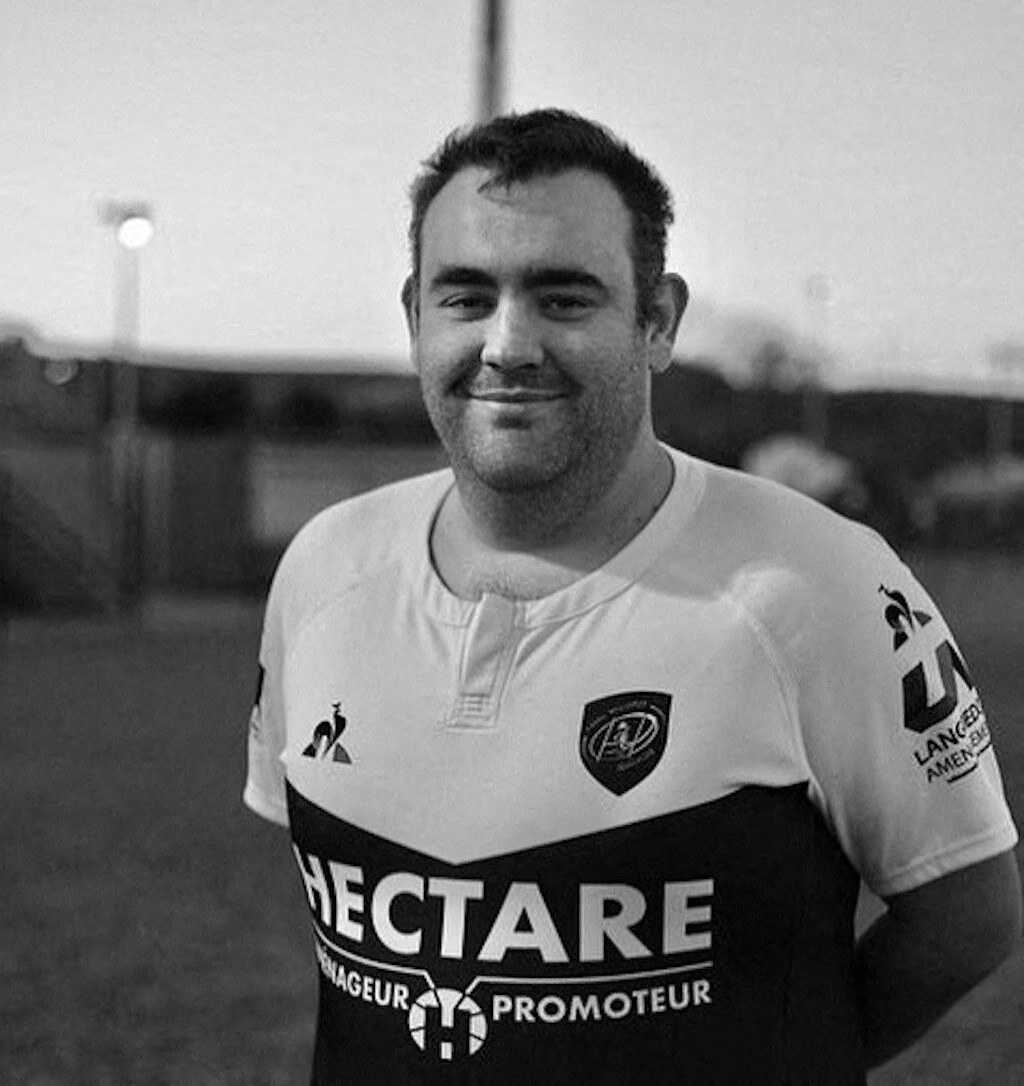
The amateur prop suffered a cardiac arrest in the changing room after a match and died on 1 November following emergency treatment. The reporting identified a cardiac arrest, but the underlying diagnosis is not established by the source located.
The medical question: Was the initiating cause identified? What emergency measures were used, and what did the final medical findings conclude?

Théodore collapsed during training and died. Initial reports described cardiac arrest, while the club said the precise cause was unknown.
The medical question: Was an underlying condition found, and what did the medical investigation establish about possible prevention? The available reporting does not provide that answer.

The young second-row suffered a sudden cardiac arrest during training and subsequently died. His death was described as natural, but the reporting located does not provide a more specific diagnosis.
The medical question: What did the medical investigation establish about the underlying cause, and what could pre-participation screening realistically have detected?

Haddad died following a serious injury during a rugby tackle. The preliminary research identifies the death as accidental. His precise age and the official findings should be checked against the underlying records before publication.
The medical question: This is principally an injury-prevention case, not evidence of spontaneous cardiac death. The relevant investigation concerns the injury, emergency treatment and the circumstances of the collision.
The cases span different medical circumstances: some reports identify cardiac arrest, some describe a collapse without a definitive diagnosis, and others concern physical trauma or a separate illness. A reliable register must preserve those distinctions. Cardiac arrest describes the immediate failure of effective circulation; it does not, by itself, identify the underlying disease.

The former Highlanders and Māori All Blacks player was found dead while staying with family. Coroner Mary-Anne Borrowdale's findings, reported in February 2026, classified his death as sudden and natural. The post-mortem found a mildly dilated heart; a precise initiating mechanism was not definitively established.
Source: odt.co.nz
The medical question: What can be learned from a death that was investigated but whose exact initiating mechanism remained uncertain? Could additional testing have changed the assessment before death, or would the condition have remained undetectable?
Identified in the preliminary case file as a player who suffered a fatal cardiac event on the pitch. The final underlying diagnosis requires verification from the original reporting or medical record before any stronger conclusion is published.
The medical question: What happened, what was the confirmed cause, and what was the emergency response?

The former Springbok and Bulls player had a known heart condition and died in 2025. The details of his medical history and final cause should be grounded in his club's statement and the available medical reporting before drawing comparisons with sudden deaths in younger players.
The medical question: What was known about his condition, what treatment had he received, and what can his case tell us about the management of established cardiac disease in professional sport?
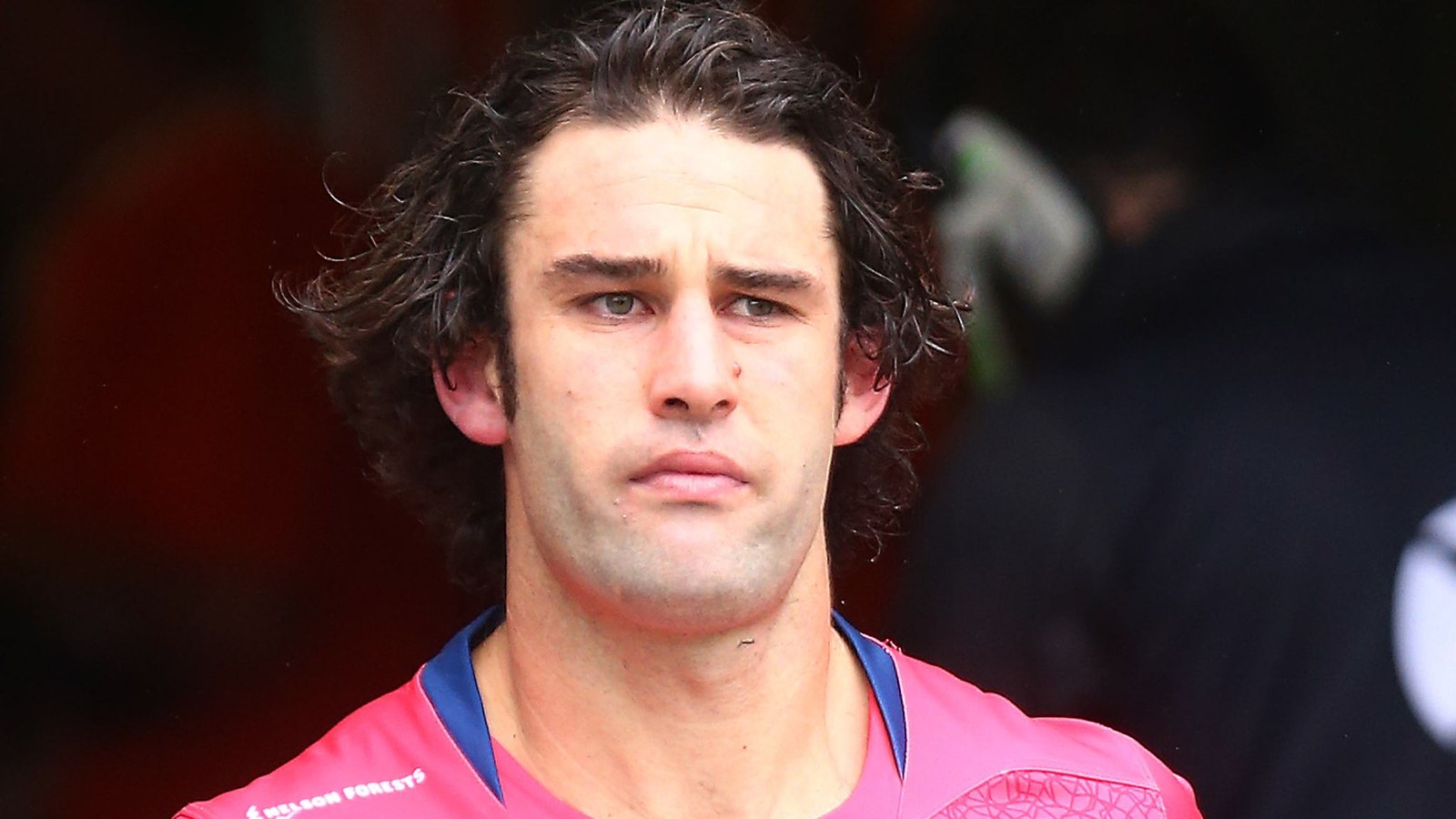
Guyton's post-mortem examination identified stage-2 chronic traumatic encephalopathy (CTE). His case belongs in the broader examination of rugby's long-term health risks, although CTE findings must not automatically be treated as proof of the precise cause of death.
The medical question: What long-term neurological risks does repeated head impact create, and how effectively does rugby identify, monitor and support players who may be affected?
The former Māori All Blacks player was reported to have advanced CTE. His case raises questions about repeated head impacts and long-term brain health, not evidence of a cardiac or vaccine-related death.
The medical question: What protections, longitudinal health monitoring and post-care support are available to players during and after their careers?
The Leeds Rhinos legend died following motor neurone disease (MND). His death must remain in the illness category, not be added to a count of sudden cardiac deaths.
The medical question: His case belongs to the broader debate about rugby-related neurological health, research and care.
The Fijian rugby player died in a train accident. This is an accidental death, not a cardiac case.
The medical question: None should be manufactured. His death belongs in a general rugby-player mortality register, not a cardiac-death statistic.
The register also includes Mitch Cronin, a former NRL player whose death was reported as a suspected heart attack; Rob Burrow, who died from MND; Luc Evans, who died from glioblastoma; and other players whose circumstances or diagnoses require additional verification before publication.
A credible investigation must classify deaths accurately. Cancer, neurological disease, transport accidents and traumatic injuries belong in the broader record of rugby-player mortality, but they cannot be counted as sudden cardiac deaths without supporting medical findings.
The reports assembled so far identify multiple cases, but they do not provide a complete, verified global count of rugby-player deaths or sudden cardiac deaths. That missing denominator is central: without consistent case definitions and a reliable count of players at risk, rugby cannot measure its mortality rate or determine where the greatest risks lie.
Important: the categories above overlap if read as diagnoses, because a cardiac arrest can be the immediate event in a traumatic death. They should not be added together as independent causes. The chart illustrates why the case register needs consistent, mutually exclusive classifications before publication.
The working French register identifies eight cases across several years: Hyron Andrews, Axel, Cléa Menier, Luqobo Makwedini, Mathias Ortega, James Théodore, Grégoire Boidoux and Nicolas Haddad.
The eight cases in this working French register span several years and include different reported causes and circumstances. They are not a complete mortality series, and they cannot tell us whether rugby mortality is rising.
That is precisely why a year-by-year register is needed: verified causes of death must be matched against the number of registered players and, ideally, player-hours. The data must also distinguish deaths during matches, during training, after exertion and away from rugby.
The trend question requires better surveillance. The emergency-readiness question can be examined now: when a player collapses, does the medical system give that player the best available chance of survival?
No. And that is not a controversial conclusion; it is a recognised limitation of cardiovascular medicine.
The American Heart Association and American College of Cardiology's scientific guidance on competitive athletes makes clear that cardiovascular screening cannot eliminate all risk. Medical history and physical examination are important, and a resting 12-lead electrocardiogram (ECG) can improve detection of certain conditions. But no screening method can guarantee that every athlete is safe from sudden cardiac arrest.
This is where the investigation becomes more serious than a debate about headlines.
An athlete can be powerful, conditioned, disciplined and apparently healthy — and still have an underlying condition that has not been detected. Some cardiovascular abnormalities produce warning symptoms; others remain silent. Certain electrical disorders can cause a dangerous rhythm without an obvious structural abnormality. An aortic dissection, meanwhile, is a different mechanism from a primary electrical disturbance.
The appropriate tests depend on the suspected condition. A normal ECG does not rule out every structural, vascular or electrical problem.
Was the player assessed using medical history and physical examination alone, or were ECGs, echocardiograms, exercise tests or other investigations indicated and performed? The answer may differ between a professional academy and an amateur club.
Had the player experienced chest discomfort, fainting, unexplained breathlessness, palpitations or other symptoms? Had anyone raised concerns about a family history of sudden cardiac death? We must establish whether such signs existed in each case rather than assume they did.
Screening only has value if findings are interpreted appropriately and acted upon. The relevant records would show whether a concern was identified, whether additional investigation was recommended and whether that investigation occurred.
Once the diagnosis is known, an independent clinical review can assess whether a condition was detectable, whether an intervention was available and whether earlier action would probably have changed the outcome.
The fourth question is the hardest. It is also the one that matters most to families who want to know whether a death could have been prevented.
The decisive issue is whether the condition was detectable with the screening available at the time, whether symptoms or family history warranted further investigation, and whether any intervention could reasonably have changed the outcome. Those questions require the clinical record and an independent review.
The French Rugby Federation's medical regulations provide for additional medical surveillance of specified groups, including professional players, academy and training-centre players, and national-team players. The regulatory document identified in this research includes periodic ECGs, exercise testing and echocardiography for the groups covered by its supplementary requirements.
Source: FFR medical regulations
That is a meaningful distinction. It means we cannot assume that the screening regime for an elite professional is identical to that of an amateur player.
But it also means we must avoid a different mistake: assuming that an amateur player received no screening simply because he or she was not a professional.
For Axel, the crucial records have not been established in the public reporting reviewed here. The same is true of several earlier cases.
We need the actual screening requirements that applied to each player, the tests that were performed and the relevant findings. We also need to establish whether those records exist, who held them and whether any findings warranted further investigation.
A medical certificate is not a guarantee against sudden death. But neither should a certificate be treated as proof that every relevant risk was examined.
That is a legitimate question for rugby's medical authorities.
Screening is only one part of the system. Some cardiac emergencies will occur despite appropriate precautions. In those circumstances, the speed and quality of the emergency response become critical.
The NCAA's 20-year study of sudden cardiac death among college athletes, published in Circulation, identified opportunities to improve outcomes through timely recognition and care, cardiovascular screening, emergency action plans, CPR training and the availability of automated external defibrillators.
Source: PubMed
An AED can deliver a shock for certain dangerous heart rhythms. It does not treat every cause of collapse, and its presence cannot guarantee survival. But when a shockable rhythm is responsible, early defibrillation can be lifesaving.
That makes the practical questions around Axel's death especially important.
An independent review can answer these questions through the event log, equipment records and clinical documentation. The fact that resuscitation was attempted establishes that a response occurred; the timeline and clinical records are needed to assess its speed, the interventions used and whether further lessons can be identified.
The outcome alone cannot tell us how effective the response was. The records can bring us closer to an answer.
The FFR's medical regulations are not, by themselves, proof of whether every amateur ground is required to have an AED or whether an individual venue had one. That needs to be checked against the applicable venue, public-access defibrillator and competition rules.
The research has not established a complete, authoritative national audit of AED availability across French amateur rugby grounds.
That is a specific gap worth investigating.
The FFR and regional leagues should be asked to provide their requirements for AED availability, the number of affiliated grounds with equipment, inspection and maintenance standards, and the proportion of clubs with documented emergency action plans and trained responders.
A sport cannot assess whether its emergency provision is adequate simply by counting how many times an ambulance was called.
It needs to know what was available, how quickly it was used and what the evidence shows about outcomes.
The death of Connor Garden-Bachop demonstrates the difficulty of establishing an exact cause even after a formal investigation.
The New Zealand coroner found that Garden-Bachop died suddenly of natural causes. His post-mortem revealed a mildly dilated heart, but the precise initiating mechanism was not definitively established.
Source: odt.co.nz
Garden-Bachop's case illustrates both the value and the limits of post-mortem investigation. A post-mortem can identify structural disease, injury and other evidence. Depending on the circumstances, toxicology, genetic testing, specialist cardiac pathology and review of medical history may add further information. Even an extensive investigation, however, may not establish every link in the chain of events.
In selected cases of sudden unexplained death, genetic investigation can identify inherited variants relevant to surviving relatives. Whether testing is indicated depends on the case and the findings; it is not a universal explanation for unexplained deaths.
The key questions for rugby's medical authorities are therefore practical:
A death that remains unexplained after a thorough investigation is different from one for which the investigation is incomplete. Rugby needs records that make that distinction visible, including which examinations were performed, whether specialist testing was considered and what follow-up was offered to surviving relatives where inherited risk was suspected.
This is the question at the heart of the investigation.
We have identified multiple deaths involving rugby players across France and other countries. Some occurred during training or competition. Some followed injuries. Some involved cardiac arrest, vascular disease or an unexplained collapse.
The next task is to determine whether these reported deaths reflect a change in risk or a concentration in the cases that reach public attention. That requires comparable annual figures, a reliable count of players at risk and consistent medical classifications.
Research from other sports provides useful context, but it cannot replace rugby-specific surveillance.
A study comparing young competitive athletes before the pandemic (2017–2019) and during the early pandemic period (2020–2022) identified 203 sudden cardiac arrest or sudden cardiac death cases in the first period and 184 in the second. The study did not find a statistically significant increase. These are case counts, not rugby-specific rates.
A 20-year study estimated an overall incidence of sudden cardiac death of approximately one per 63,682 athlete-years among NCAA athletes. It found that the incidence decreased over the study period, while noting substantial differences between athlete groups. The study is not a direct estimate of risk in rugby.
The research assembled for this investigation has identified a major data gap: no comprehensive global rugby death registry with verified causes, consistent annual reporting and a player-population denominator. Without that system, rugby cannot reliably determine whether its sudden cardiac death rate is increasing or decreasing.
The comparative evidence shows why systematic surveillance matters. Even large studies using multiple independent sources have found that no single source captures every sudden cardiac death. Rugby needs a comparable, sport-specific system if it is to measure changes over time and identify where prevention could improve.
Source: PMC
The incidence trend and the effectiveness of individual safeguards are separate questions. Even if a future rugby-specific study finds a stable or declining overall rate, authorities would still need to examine whether particular groups face elevated risks and whether screening, emergency equipment and response protocols are working as intended.
Rugby needs annual figures of its own—not assumptions imported from other sports.
Vaccination has become part of the public debate around sudden deaths among young athletes, so it belongs in the investigation. The relevant evidence is specific: individual vaccination records, clinical findings, timing, alternative explanations and population-level research.
There are three separate questions:
Each question requires its own evidence: an individual's records cannot by themselves establish a population trend, and a population study cannot determine the cause of an individual death.
Myocarditis is inflammation of the heart muscle. The US Centers for Disease Control and Prevention recognises a causal association between mRNA COVID-19 vaccines and rare cases of myocarditis and pericarditis. Cases have occurred most frequently in adolescent and young adult males within seven days of a second mRNA vaccine dose, although cases have also occurred in other groups and after other doses.
Source: CDC
This is a recognised, rare adverse event and must be included accurately in any assessment of vaccine safety.
To assess whether vaccination caused a particular case of myocarditis, investigators must examine timing, clinical findings, alternative causes and the conclusions of the medical investigation. A temporal sequence alone cannot establish causation; the individual evidence must do that work.
The CDC's 2024 analysis of death records among Oregon residents aged 16–30 during June 2021–December 2022 did not find evidence supporting an association between mRNA vaccination and sudden cardiac death in previously healthy young people. The study is population-level evidence; it does not determine the cause of every individual case.
A New Zealand coroner, meanwhile, concluded that Rory Nairn, a 26-year-old man, died from myocarditis caused by the Pfizer vaccine after his first dose in November 2021. The Nairn case shows that an official investigation can attribute an individual death to vaccination when the clinical evidence supports that conclusion. The rugby cases require their own medical records and findings.
Source: 1News · coroner
The central task is to obtain the individual records and compare the findings with the established scientific evidence.
For the cases assembled so far, the public reporting reviewed has not established individual vaccination histories, relevant dose dates or medical findings demonstrating that vaccination caused any of these deaths.
Hyron Andrews's reported cause was an aortic dissection. Cléa Menier died following an on-field injury. Axel's underlying cause had not been publicly established in the reports available on 26 October.
These cases have different reported circumstances and medical findings. Any proposed vaccine-related explanation must be tested against the relevant clinical evidence for that individual.
The players' vaccination histories and relevant medical findings are not established in the public reports reviewed. Those records are needed before any individual connection can be assessed.
There was no single worldwide rule requiring every rugby player to be vaccinated throughout the pandemic. Requirements varied by country, period, competition and public-health rules. The relevant policy must be established for each player and date.
For the South African Rugby Union, the preliminary research identifies a written vaccination policy adopted in March 2022 and updated in May 2022. Its scope, exemptions and application to particular competitions should be verified against the original policy before drawing conclusions about any individual.
Any assessment of a player's vaccination history must be based on individual records, not on the existence of a policy or mandate.
The next step is to obtain relevant individual medical findings and vaccination records where they exist, then compare those records with the broader scientific evidence. That is how a legitimate question becomes an answer grounded in evidence.
A report about rugby players dying must not lose sight of another serious medical issue: repeated head impacts and long-term neurological health.
Billy Guyton's post-mortem identified stage-2 chronic traumatic encephalopathy, while Shane Christie's case was reported to involve advanced CTE. These cases form part of a wider debate about the potential long-term effects of repeated head impacts in contact sport.
This is a separate strand of rugby's health file, focused on repeated head impacts and long-term neurological outcomes. It raises questions about how rugby recognises, studies and manages the cumulative health consequences of playing the game.
The questions include whether concussion protocols are followed, how recurrent symptoms are monitored, how retired players access medical support and how post-mortem findings contribute to prevention.
The same principle applies across the heart and the brain: when evidence identifies a risk, the sport should establish what can reasonably be done about it.
The investigation cannot end with a collection of newspaper reports. It needs the underlying records and the cooperation of the organisations responsible for player welfare.
The following questions should be put formally to the French Rugby Federation, the Ligue Nationale de Rugby, World Rugby and the relevant clubs and regional leagues.
How many registered rugby players died in each of the last ten years, by age group, sex, country and level of play? How many deaths were sudden cardiac deaths confirmed by medical investigation?
What cardiac screening is required for professional, academy, senior amateur and youth players? Which tests are compulsory, how often must they be repeated and how are abnormal findings followed up?
What rules govern AED availability at rugby grounds? How many affiliated clubs have functioning equipment, trained responders and documented emergency action plans?
Following a sudden death, is there a standard process for reviewing the medical history, screening, emergency response and final diagnosis? Are recommendations recorded and implemented?
What specialist investigations are considered when a young player dies suddenly without an obvious cause? Are families offered appropriate advice about inherited cardiac risks?
Does rugby measure whether screening programmes, AED provision, emergency training and other interventions improve outcomes? Where are those results published?
Will the governing bodies publish anonymised, consistent annual figures that allow independent researchers to distinguish confirmed cardiac deaths from trauma, other illnesses and undetermined causes?
These questions are answerable. They do not presume wrongdoing. They ask the organisations responsible for the sport to demonstrate what their systems do, what their records show and what improvements are justified by the evidence.
The case file contains confirmed diagnoses, sudden collapses and deaths whose causes remain unresolved in public reporting. To determine whether particular outcomes could have been prevented—and whether screening or emergency response fell short—each case must be examined against the medical records, applicable protocols and, where appropriate, an independent clinical review.
The central test is practical: what did the medical system know, what should it reasonably have detected, how did it respond, and what do the records show?
A sport with professional medical teams, established screening protocols and emergency procedures should be able to explain what protections it requires, how those protections operate in practice, and what happens when a player dies unexpectedly.
The evidence may identify conditions that were not reasonably detectable, or it may reveal missed warning signs, uninvestigated results, gaps in follow-up or delays in emergency intervention. Each finding should be established from the records and examined on its merits.
The task now is to investigate every case, compare the records, measure the risk and hold the responsible institutions to the standards they set for themselves. The findings should show where existing safeguards worked, where gaps remain and what changes the evidence supports.
Three deaths in French rugby in approximately nine days. A wider file of players who collapsed, suffered cardiac emergencies, died following injuries or were lost to other illnesses. Screening systems that cannot identify every dangerous condition. Emergency responses whose timelines and effectiveness must be examined. And no verified global rugby register capable of showing whether the rate of sudden cardiac death is changing.
The investigation has identified a clear set of unanswered questions. What did each medical investigation establish? What screening had each player received? What happened in the minutes after each collapse? What records are held by clubs, hospitals and governing bodies? And why is there no comprehensive, publicly available rugby-specific mortality dataset that allows the sport to measure its own risk?
The players behind these cases were not statistics. They were teammates, sons, daughters and friends. Their families deserve clear answers; their teammates deserve confidence in the systems meant to protect them; and the sport should learn everything the evidence can teach.
The records may identify conditions that could not have been detected, emergencies that no intervention could have reversed, or gaps in screening, follow-up and response that can be addressed. A reliable investigation must be prepared to follow the evidence wherever it leads.
Rugby's authorities should now provide the data needed to answer the central questions: How many players have died? How many deaths were confirmed as cardiac? What protections were in place? What did the emergency records show? And what evidence demonstrates that the systems designed to protect players are working?
Until those records are examined and the data made available, this investigation remains open.
ScrumAtMe Network — Comedic Technical Analysts. Real facts. Wild jokes.