
The central question: What do the documented cocaine cases involving Australian rugby league and rugby union players, former players and coaching personnel reveal about the scale of the problem, the people involved, the quantities reported, and the consequences imposed?
This dossier distinguishes court findings, guilty pleas, positive tests, sporting sanctions and unresolved allegations. The distinction matters because the evidence is not uniform. But neither should the investigation lose sight of the pattern: multiple cocaine cases, involving different individuals, across different years, clubs and levels of the rugby system — from personal possession to supply offences and large-scale importation.
THE BREAKING CASE — NATHAN MERRITT (LEAGUE)
South Sydney's all-time leading try-scorer, with 146 tries in 218 games and a member of the club's 2014 premiership side, Nathan Merritt became the subject of a major police investigation in October 2026.
According to 7NEWS reporting on 24 October 2026, police allegedly found approximately 12 grams of cocaine during a search of his Marrickville home in connection with a Sydney CBD Fendi ram-raid investigation. A gel blaster reportedly purchased on Facebook Marketplace for $100 was also allegedly found. Merritt was charged with drug and firearm offences; he was not charged over the ram raid itself.
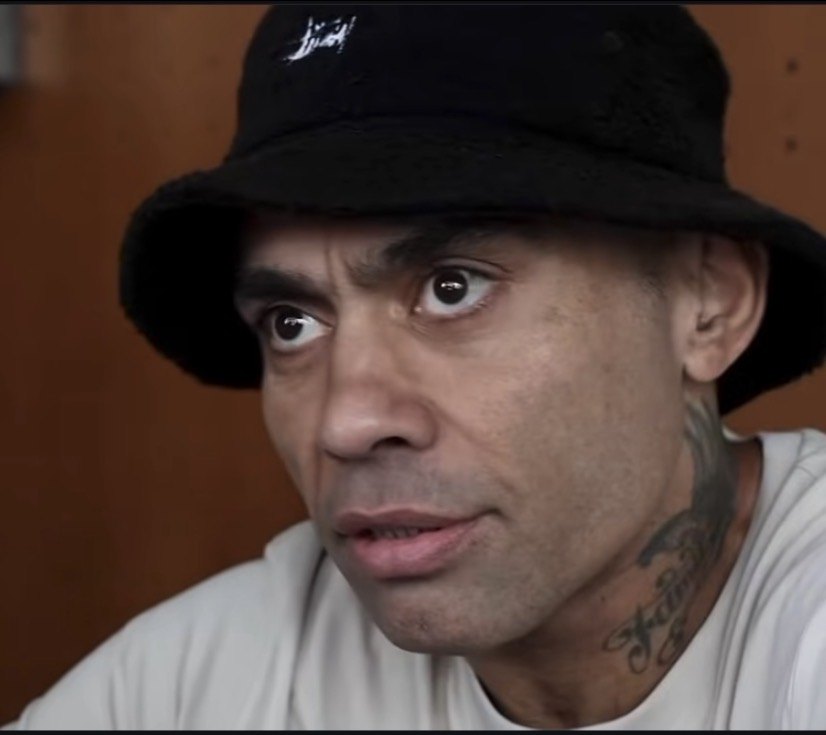
The reported cocaine quantity is substantial enough to be recorded as a specific figure in this investigation, but the case remains unresolved. The alleged seizure is not a conviction, and the quantity should not be presented as a proven finding of guilt.
The case belongs in the dossier because of the identity of the person involved, the reported quantity and the seriousness of the charges. It does not, on its own, establish guilt or prove how widespread cocaine use is in rugby.
THE QUANTITIES — WHAT HAS ACTUALLY BEEN REPORTED?
The strongest way to assess the pattern is to compare cases with documented quantities and outcomes, while separating personal possession from purchases over time, supply offences and importation.
| Person | Rugby connection | Reported cocaine quantity | What the quantity represents | Documented outcome |
|---|---|---|---|---|
| John Tobin | Former Sydney Roosters captain | 1.4 tonnes | Total cocaine involved in multiple importation attempts; a separate Queensland case involved 134 g of pure cocaine | Served 8½ years in prison for his role in the importation case. In January 2026, received a four-year wholly suspended sentence for separate historical drug offences after pleading guilty. |
| Jarrod Mullen | Former Newcastle Knights player | 39 g | Cocaine purchased in November 2018 for supply and personal use | Pleaded guilty to supplying cocaine; three-year community corrections order and 300 hours of community service. |
| Jamie Dowling | Former Gold Coast Titans player | 18 g | Total purchased between 6 June and 4 October 2014 | Pleaded guilty to possession and supply offences; two years' probation, 200 hours of community service and a $500 fine. |
| Karmichael Hunt | Former Gold Coast Titans player; later Queensland Reds player | Approximately 12.5 g | Reported purchases across four occasions | Pleaded guilty to possession after supply charges were downgraded; $2,500 court fine, no conviction recorded, plus Rugby Australia sanctions. |
| Nathan Merritt | Former South Sydney Rabbitohs player | Approximately 12 g | Alleged seizure during a police search in October 2026 | Charged; allegations unresolved. |
| Andy Alashooty | North Sydney Bears assistant coach | 11 g in 10 bags | Reported seizure from a club-branded backpack during the 2024 team celebrations | Pleaded guilty to supplying a prohibited drug and dealing with proceeds of crime; two-year community correction order and $1,500 fine. |
| Joe Vickery | Former Gold Coast Titans player | 9.5 g | Total purchased on six occasions between August and November 2014 | Pleaded guilty to six possession charges; $1,000 fine and 120 hours of community service. |
| Andrew Frew | Former NRL winger | 5.7 g | Cocaine reportedly found in a hire car when he was arrested; a separate apartment search reportedly found another 1.1 g | Pleaded guilty in 2025 to multiple drug-supply, possession and proceeds-of-crime charges. His case also involved methamphetamine and other substances. |
| Brett Stewart | Former Manly Sea Eagles fullback | 0.61 g including the bag | Possession case; his barrister argued the cocaine itself was under 0.5 g | Pleaded guilty; no conviction recorded and a nine-month conditional release order. |
| Shaun Kenny-Dowall | Former Sydney Roosters player | 0.29 g at sentencing | Sentencing quantity, after an initial allegation of approximately 0.46 g | Pleaded guilty to possession; 12-month good-behaviour bond, no conviction recorded. |
Sources: AAP — John Tobin; ABC — Jamie Dowling; ABC — Joe Vickery; The Nightly — Andy Alashooty; Zero Tackle — Andrew Frew.
These figures are not a single total of cocaine consumed by rugby players. They describe different types of evidence: quantities purchased over time, material allegedly seized, a sentencing quantity, and cocaine involved in importation attempts. Adding them together would produce a misleading figure. Their significance is that they document a series of distinct cases with concrete quantities, not a statistically representative measure of the entire sport.
WHAT THE NUMBERS SHOW
Three points stand out.
First, these are not all isolated trace-quantity possession cases. The documented record includes 9.5 g purchased over six occasions, 12.5 g reportedly purchased over four occasions, 18 g purchased over several months, and 39 g purchased in a case involving both supply and personal use. The Alashooty case involved 11 g divided into 10 bags, with a guilty plea to supply offences.
Second, the cases extend beyond active players. The people involved include former NRL players, a former club captain, a rugby-union international and a team assistant coach. The cases span multiple clubs and years, including the 2014–2015 Gold Coast Titans investigations, Mullen's 2018 purchases, Alashooty's 2024 case and Frew's 2025 guilty pleas.
Third, the scale ranges from personal possession to serious criminal supply and importation. John Tobin's case is categorically different from a player found with a fraction of a gram. His role in multiple attempts to import a total of 1.4 tonnes of cocaine led to an eight-and-a-half-year prison term. In a separate historical Queensland matter, the court heard he had possessed the equivalent of 134 g of pure cocaine. These figures should not be conflated with personal-use quantities, but they demonstrate that the rugby-connected cases extend into serious drug-trafficking offences.
The evidence therefore supports a clear conclusion: cocaine-related incidents involving rugby-connected individuals have occurred repeatedly, over a prolonged period, and across a wide range of seriousness. It does not establish the prevalence of cocaine use among all players. That would require testing data, prevalence research or other population-level evidence.
SECTION A — RUGBY LEAGUE (NRL)
Guilty pleas and court outcomes
- John Tobin (former Sydney Roosters captain) — served 8½ years in prison for his role in multiple attempts to import a total of 1.4 tonnes of cocaine into Australia. In January 2026, he pleaded guilty to separate historical Queensland drug offences and received a four-year sentence that was wholly suspended. The court heard that one of the historical offences involved possessing the equivalent of 134 g of pure cocaine. This is a serious importation and supply case, not a personal-possession case. AAP reporting.
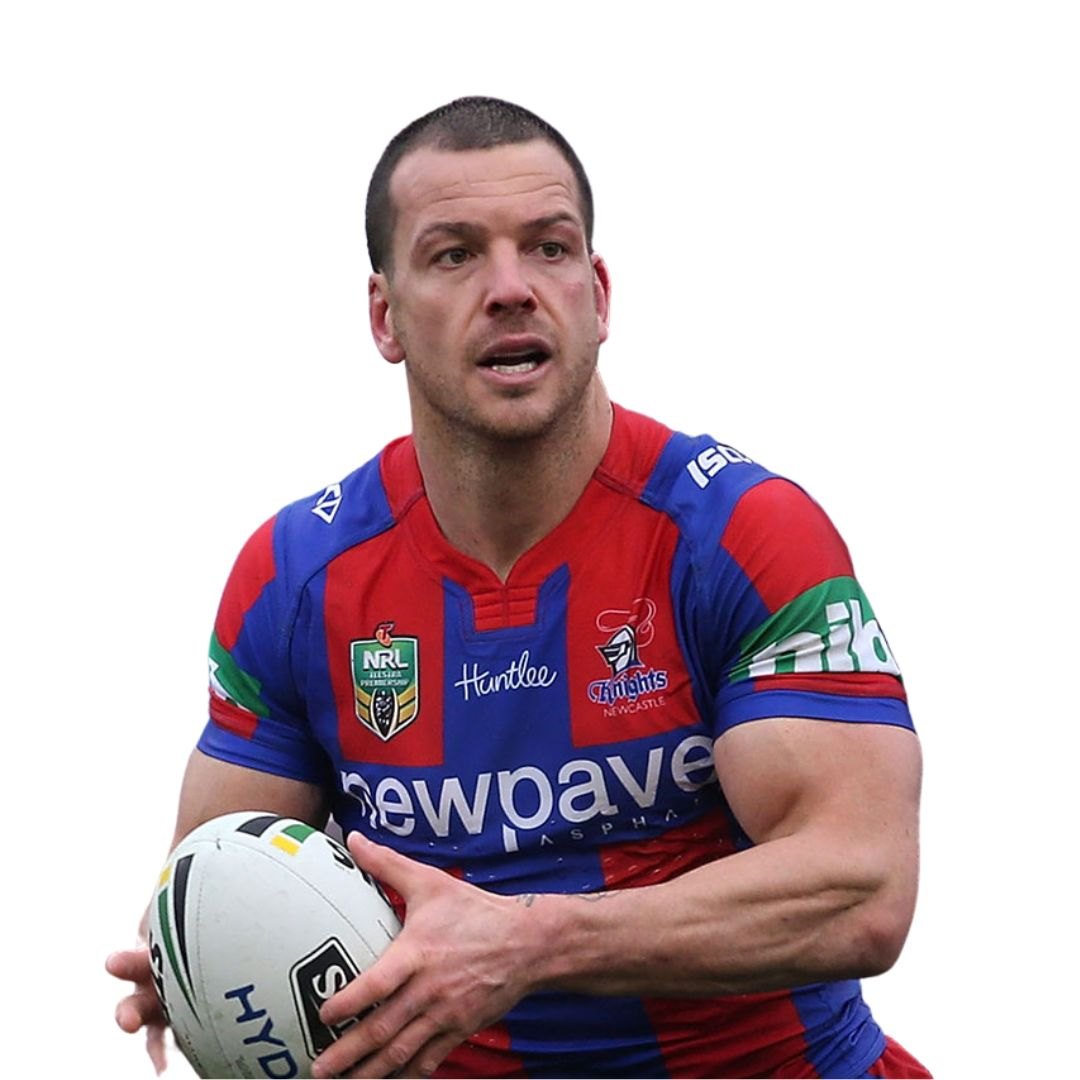
- Jarrod Mullen (former Newcastle Knights player) — pleaded guilty to supplying cocaine in December 2019. Agreed facts recorded that he bought 39 g in November 2018 for supply and to fund a daily habit after his playing career. He received a three-year community corrections order and 300 hours of community service, rather than imprisonment. His separate four-year ban for steroids in 2017 was a different matter and must not be conflated with the cocaine case.
- Jamie Dowling (former Gold Coast Titans player) — the court heard that he purchased 18 g of cocaine between 6 June and 4 October 2014. He pleaded guilty to seven possession charges and two supply charges. He received two years' probation, a $500 fine and 200 hours of community service. No conviction was recorded. ABC News.
- Joe Vickery (former Gold Coast Titans player) — pleaded guilty to six possession charges after purchasing a total of 9.5 g of cocaine on six occasions between August and November 2014. He was fined $1,000 and ordered to complete 120 hours of community service. No conviction was recorded. ABC News.
- Andrew Frew (former NRL winger) — in 2025, pleaded guilty to five drug-supply charges, two possession charges and other offences involving proceeds of crime and a restricted substance. Reporting said police found 5.7 g of cocaine in a hire car and a further 1.1 g in his apartment. The same case involved methamphetamine, heroin and other drugs. A reported 3.4 g methamphetamine transaction was a separate transaction and must not be described as cocaine. Zero Tackle.
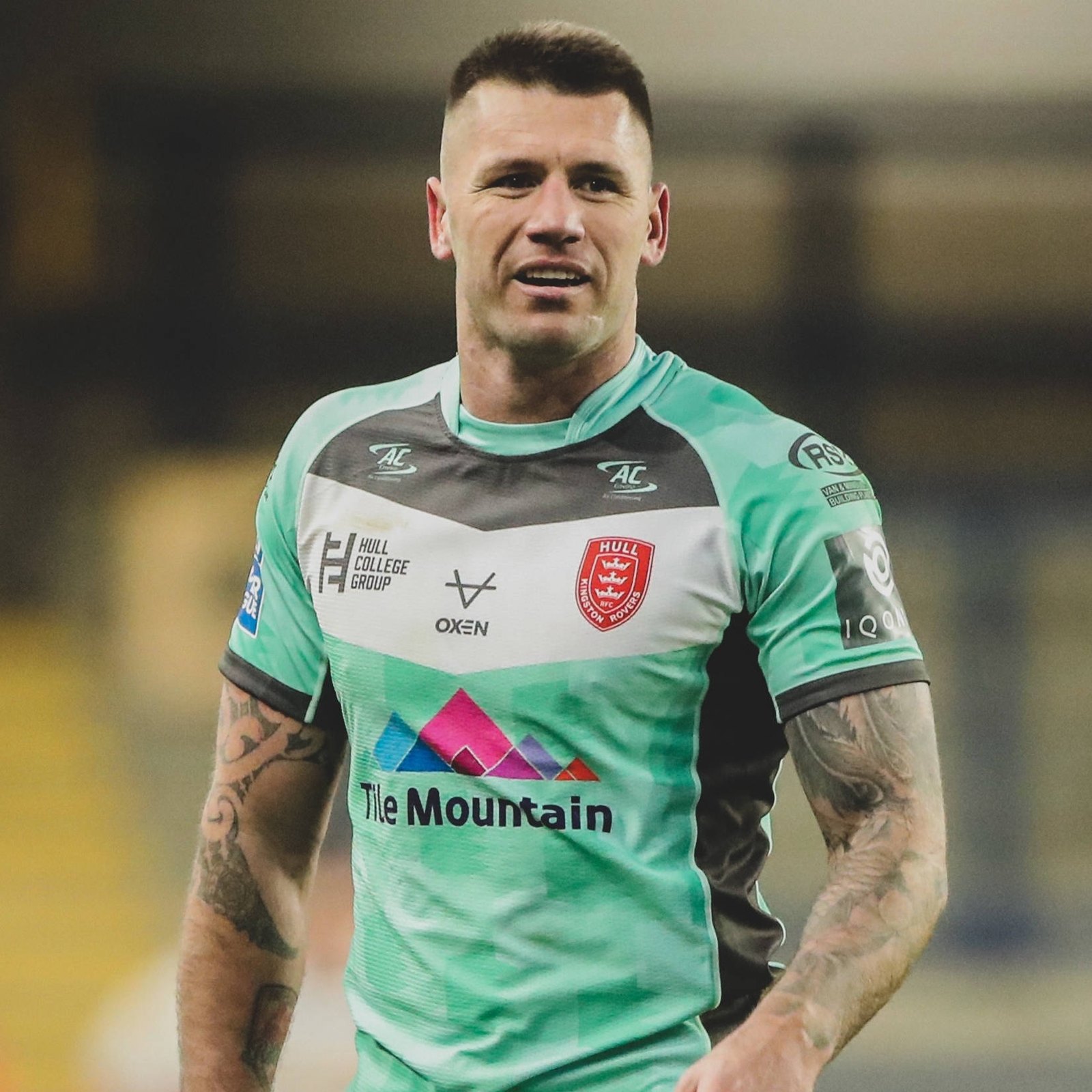
- Shaun Kenny-Dowall (former Sydney Roosters player) — pleaded guilty to cocaine possession in 2017. The sentencing quantity was 0.29 g, following an initial allegation of approximately 0.46 g. He received a 12-month good-behaviour bond, with no conviction recorded.
- Paul Carter (former Sydney Roosters player) — pleaded guilty to supplying cocaine to teammate Kenny-Dowall. In January 2018, he received a two-year good-behaviour bond. The club released him, and he entered rehabilitation.
- Brett Stewart (former Manly Sea Eagles fullback) — pleaded guilty to possession in a case involving 0.61 g including the bag. His barrister argued that the cocaine itself was under 0.5 g. The court imposed a nine-month conditional release order, with no conviction recorded, in 2023.
- Reece Walsh (then a New Zealand Warriors player) — pleaded guilty to cocaine possession in 2021. The court imposed a $400 fine and a bond; the NRL separately imposed a $5,000 fine and a two-match suspension.
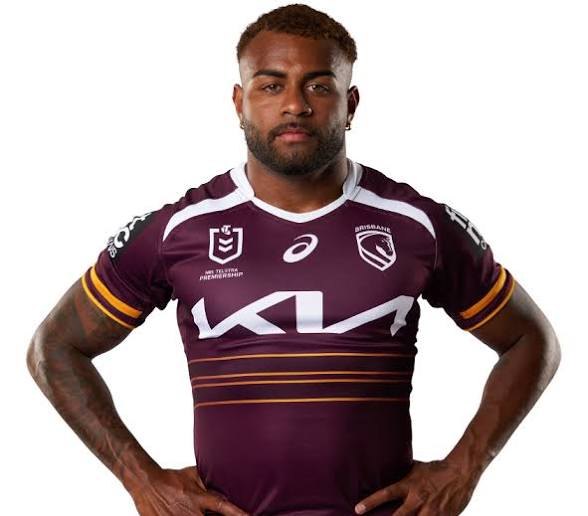
- Ezra Mam (Brisbane Broncos) — following an October 2024 crash involving an Uber and a four-year-old child, he pleaded guilty to drug-driving and unlicensed-driving offences. The magistrate referred to a “cocktail of cocaine and other matters”. The court imposed an $850 fine, with no conviction recorded. The NRL imposed a nine-game ban, reported fines of approximately $120,000, and rehabilitation requirements. The reported driving-disqualification period varies across accounts and should be verified before publication.
Positive tests and sporting sanctions
These cases belong in the same investigation, but they are not equivalent to criminal possession or supply convictions. The publicly reported quantities were not disclosed.
- Josh Addo-Carr (Canterbury Bulldogs, 2024) — returned a roadside cocaine positive. The NRL imposed a four-match ban and $15,000 fine; police penalties were reported as $682 and a three-month driving ban. Canterbury terminated his contract. Addo-Carr has maintained that he did not knowingly take drugs. Any later alleged positive test must be treated separately and described according to its verified status.
- Ben Barba (Cronulla, 2016) — returned a cocaine positive after the grand final and received a 12-match NRL ban; his club dismissed him. His 2019 deregistration followed a separate matter and must not be attributed to the cocaine sanction.
- Brent Naden (Penrith, 2020) — returned a cocaine positive hours after the NRL grand final and received a one-month ban under the recreational-drug policy.
Incident and stand-down
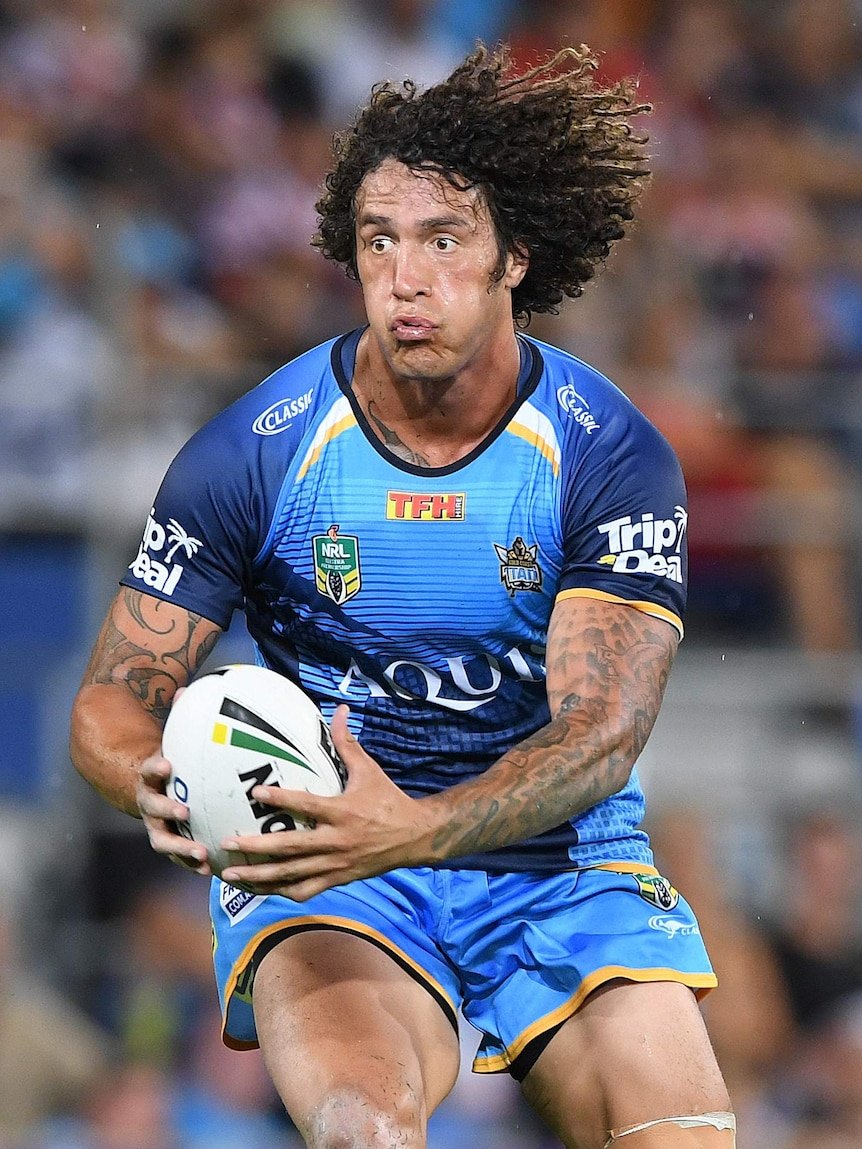
- Jesse Bromwich and Kevin Proctor (Melbourne Storm/Gold Coast Titans and New Zealand, May 2017) — were involved in a cocaine incident outside a Canberra nightclub after a Test match. Bromwich received a two-week club suspension, lost leadership responsibilities, stepped down as New Zealand captain and missed the 2017 Rugby League World Cup. Proctor was stood down as Titans co-captain and also missed the World Cup. These were disciplinary consequences; they should not be described as criminal convictions unless a specific court finding supports that claim.
Charged or contested — unresolved
- Brandon Smith (South Sydney, 2025–26) — charged with allegedly supplying cocaine to Victor Radley. The charge was committed for trial and Smith has indicated that he will contest it. It remains unproven. A separate insider-betting charge was reportedly dropped in August 2026. Radley was not charged over the alleged supply. This case should be updated when court proceedings establish an outcome.
Cleared or withdrawn — short record
- Brandon Wakeham (former Bulldogs/Tigers player, 2024) — all charges arising from Strike Force Verbena were reportedly withdrawn and dismissed on 12 November 2024. The 56 g of cocaine and approximately 1 kg of MDMA reported in the wider investigation were seized from a co-accused's vehicle, not attributed to Wakeham. Neither quantity belongs in his personal cocaine record.
- Daine Laurie (2025) — a possession charge involving a vehicle passenger was reportedly withdrawn and replaced with a criminal infringement notice. The frequently repeated 0.37 g figure has not been verified; reporting described only a small amount. It should not be used as a confirmed quantity.
- Gold Coast Titans investigation (2015) — Queensland's Crime and Corruption Commission investigation involved multiple current and former players and cocaine-related charges. Some charges, including those against Greg Bird, were dismissed. The fact that a person was investigated or charged is not evidence of guilt. The confirmed guilty pleas and documented quantities of Dowling and Vickery are the stronger evidence for the main numerical analysis.
Do not conflate: Bronson Xerri's ban concerned anabolic steroids, not cocaine. Andrew Johns's widely reported admission of recreational drug use was made after his playing career and did not produce a cocaine sanction.
Excluded pending reliable sourcing: the circulating claim that Luke O'Donnell was found with 4 g of cocaine has not been adequately verified for this dossier and should not be published as fact without a credible source.
RUGBY LEAGUE — OUTCOMES AT A GLANCE
| Player or case | Documented evidence | Court outcome | Rugby or club consequence |
|---|---|---|---|
| John Tobin | 1.4 tonnes across importation attempts; separate case involving 134 g of pure cocaine | Served 8½ years; separate 2026 four-year sentence wholly suspended | Former Roosters captain; serious trafficking/importation case |
| Jarrod Mullen | 39 g purchased; supply case | Guilty plea; three-year community corrections order and 300 hours' service | Separate steroid ban in 2017, not a cocaine sanction |
| Jamie Dowling | 18 g purchased over several months; possession and supply | Guilty pleas; two years' probation, $500 fine and 200 hours' service | Former Titans player |
| Joe Vickery | 9.5 g purchased over six occasions | Guilty pleas; $1,000 fine and 120 hours' service | Former Titans player |
| Andrew Frew | 5.7 g in a hire car and 1.1 g in an apartment, as reported | Guilty pleas to multiple drug-supply and possession charges | Former NRL winger |
| Andy Alashooty | 11 g in 10 bags | Guilty pleas to supply and proceeds-of-crime offences; two-year community correction order and $1,500 fine | Former Bears assistant coach |
| Ezra Mam | Drug-driving case; magistrate referred to cocaine and other matters | Guilty pleas; $850 fine, no conviction recorded | Nine-game ban and reported fines of about $120,000 |
| Shaun Kenny-Dowall | 0.29 g at sentencing | Guilty; 12-month good-behaviour bond, no conviction | Former Roosters player |
| Paul Carter | Supplied cocaine to Kenny-Dowall | Guilty; two-year good-behaviour bond | Released by club; rehabilitation |
| Brett Stewart | 0.61 g including the bag | Guilty; nine-month conditional release order, no conviction | Former Manly fullback |
| Reece Walsh | Cocaine possession | Guilty; $400 fine and bond | $5,000 fine and two matches |
| Josh Addo-Carr | 2024 roadside positive | Police penalty reported; he disputes knowingly taking drugs | Four matches, $15,000 NRL fine; contract terminated |
| Ben Barba | Positive after 2016 grand final | Sporting-policy matter, not presented here as a criminal conviction | Twelve-match ban; dismissed by club |
| Brent Naden | Positive after 2020 grand final | Sporting-policy sanction | One-month ban |
| Jesse Bromwich / Kevin Proctor | 2017 nightclub incident | Disciplinary consequences recorded; no conviction asserted here | Suspensions, leadership consequences and missed World Cup |
| Brandon Smith | Alleged supply to Victor Radley | Charged and contesting; committed for trial | Unresolved; allegation unproven |
| Brandon Wakeham | Supply charges | Charges withdrawn and dismissed | Cleared |
This is a case register, not a count of guilty players. The table distinguishes criminal findings from policy sanctions, allegations and withdrawn proceedings.
SECTION B — RUGBY UNION (RUGBY AUSTRALIA)
- Wendell Sailor (NSW Waratahs, 2006) — returned an in-competition cocaine positive and received a two-year ban. His contract was terminated. This was an anti-doping case, not a possession conviction.
- Karmichael Hunt (Queensland Reds, 2015) — faced four charges of supplying cocaine and pleaded guilty to downgraded possession charges. Approximately 12.5 g was reportedly purchased across four occasions. The court imposed a $2,500 fine, with no conviction recorded. Rugby Australia separately imposed a six-week ban and $30,000 fine, alongside rehabilitation requirements. A later cocaine charge in 2017–18 was dropped for lack of evidence; it must not be described as a further conviction.
- James Slipper (Queensland Reds/Wallabies, 2018) — returned two positive tests under Rugby Australia's illicit-drugs policy and received a two-month ban and $27,500 fine. The quantity was not disclosed. This was a welfare/policy breach, not a criminal conviction. Slipper later captained the Wallabies.
- Reece Hewat (Australian, playing for Pau in France, 2024–25) — returned an in-competition cocaine-metabolite positive and received a one-month ban from France's AFLD. A quantity was not disclosed.
RUGBY UNION — OUTCOMES AT A GLANCE
| Player | Year / setting | Evidence or finding | Outcome / sanction |
|---|---|---|---|
| Wendell Sailor | Waratahs, 2006 | In-competition cocaine positive | Two-year ban; contract terminated |
| Karmichael Hunt | Reds, 2015 | Supply charges reduced to possession; approximately 12.5 g reportedly purchased over four occasions | Guilty plea to possession; $2,500 fine, no conviction; six-week Rugby Australia ban, $30,000 fine and rehabilitation |
| James Slipper | Reds / Wallabies, 2018 | Two positive tests under Rugby Australia's illicit-drugs policy | Two-month ban and $27,500 fine; no criminal conviction |
| Reece Hewat | Pau, France, 2024–25 | In-competition cocaine-metabolite positive | One-month ban by France's AFLD |
SECTION C — DOES THE SYSTEM WORK?
The cases reveal two different systems of accountability.
(1) Anti-doping rules. Under the World Anti-Doping Code, cocaine is classified as a “Substance of Abuse” and is prohibited in competition. Depending on the circumstances and applicable rules, sanctions may be reduced where the substance was used out of competition and unrelated to sporting performance, particularly where the athlete meets treatment-plan conditions. Sailor, Naden and Hewat are examples of sporting cases handled through anti-doping or related disciplinary processes.
(2) Each code's illicit-drugs policy. Off-field recreational drug use may be dealt with through confidential testing, treatment, monitoring and disciplinary sanctions. Rugby Australia's policy and the NRL's policy are distinct from the criminal law. Their consequences can include fines, suspensions, treatment requirements and, in some cases, termination of a contract.
The difference between the systems is visible in the cases recorded here. A positive test may lead to a sporting suspension without a criminal possession conviction. A guilty plea to supply, by contrast, can result in a court sentence. A club may also terminate a player's contract independently of the court's decision.
TWO SYSTEMS, DIFFERENT CONSEQUENCES
| System | What it addresses | What the cases show | Important distinction |
|---|---|---|---|
| Anti-doping rules | Prohibited substances in competition | Cocaine positives have resulted in sporting bans | A positive test is not automatically a criminal possession or supply conviction |
| NRL illicit-drugs policy | Off-field recreational drug use | Sanctions have ranged from a one-month ban to a 12-match ban, fines and treatment requirements | Policy consequences differ from court penalties |
| Rugby Australia illicit-drugs policy | Off-field recreational drug use | Hunt and Slipper received different sanctions under different circumstances | A policy breach is not the same as a criminal conviction |
| Criminal courts | Possession, supply, proceeds of crime and importation | Outcomes range from fines and community orders to substantial imprisonment | The charge, plea, agreed facts and sentence must be recorded precisely |
| Club employment decisions | Contracts and participation | Outcomes range from suspension to termination | Employment decisions may operate independently of court outcomes |
PREVALENCE — WHAT THE EVIDENCE DOES AND DOES NOT ESTABLISH
The cases in this dossier establish repeated, documented cocaine-related incidents involving rugby-connected individuals. They do not establish what proportion of Australian rugby players use cocaine. A 2012 study of 1,684 elite Australian athletes reportedly found cocaine use lower than in the general population, but that study is dated and not rugby-specific.
The proper conclusion is not that the cases prove an epidemic. It is that they provide a substantial enough documented record to justify questions about prevention, treatment, disciplinary consistency and the relationship between sporting organisations and law enforcement. Establishing prevalence would require current, rugby-specific data.
THE FOUR INVESTIGATIVE LINES
- Equal treatment — Do comparable incidents draw comparable sanctions? Compare Addo-Carr's contract termination and NRL suspension with Naden's one-month ban, while accounting for the different evidence, circumstances and policy pathways.
- Player welfare — What support exists for current and former players, and does it survive release, deregistration or retirement? Mullen's reported daily use after his playing career and the treatment issues raised in other court cases warrant scrutiny without excusing criminal conduct.
- Supply networks — What do the court-tested cases establish about supply? Mullen's guilty plea, Carter's supply to Kenny-Dowall, Dowling's supply offences and Tobin's importation case demonstrate that some rugby-connected cases extend beyond personal possession. They do not prove a single coordinated network or justify attributing one person's conduct to an entire club.
- Institutional accountability — What did the NRL, clubs, Rugby Australia and players' associations know, and when? Did public statements accurately reflect the evidence and the sanctions imposed? Were treatment and monitoring requirements followed, and did clubs apply their policies consistently?
THE EDITORIAL FIREWALL
The report's strongest evidence is the combination of documented quantities, guilty pleas, court outcomes and sporting sanctions across multiple years. It should lead with those facts, not bury them beneath repeated explanations of withdrawn charges.
Merritt is charged, not convicted. Wakeham's charges were withdrawn, and the 56 g seized from a co-accused's vehicle must not be attributed to him. Laurie's frequently repeated 0.37 g figure remains unverified. Those points belong in concise qualifications, not as the centrepiece of the report.
The evidence supports an investigation into a recurring pattern of cocaine-related incidents across rugby-connected individuals, from possession and recreational use to supply and large-scale importation. It does not, without broader prevalence data, establish that most players use cocaine or that every club is implicated.
The next step is institutional: obtain current testing figures, policy records, club statements, court documents and responses from the relevant organisations. Every unresolved allegation should be put to the person concerned for a right of reply. The report should distinguish fact from allegation while keeping the central finding in view:
The documented cases are not one case, one club or one season. They form a record spanning years, involving players, former players and coaching personnel, and ranging from small possession quantities to serious supply and importation offences. That pattern deserves scrutiny on its evidence.